Beginnings of the Nest (before 2000)
Establishment of the Nest in Trzciniec
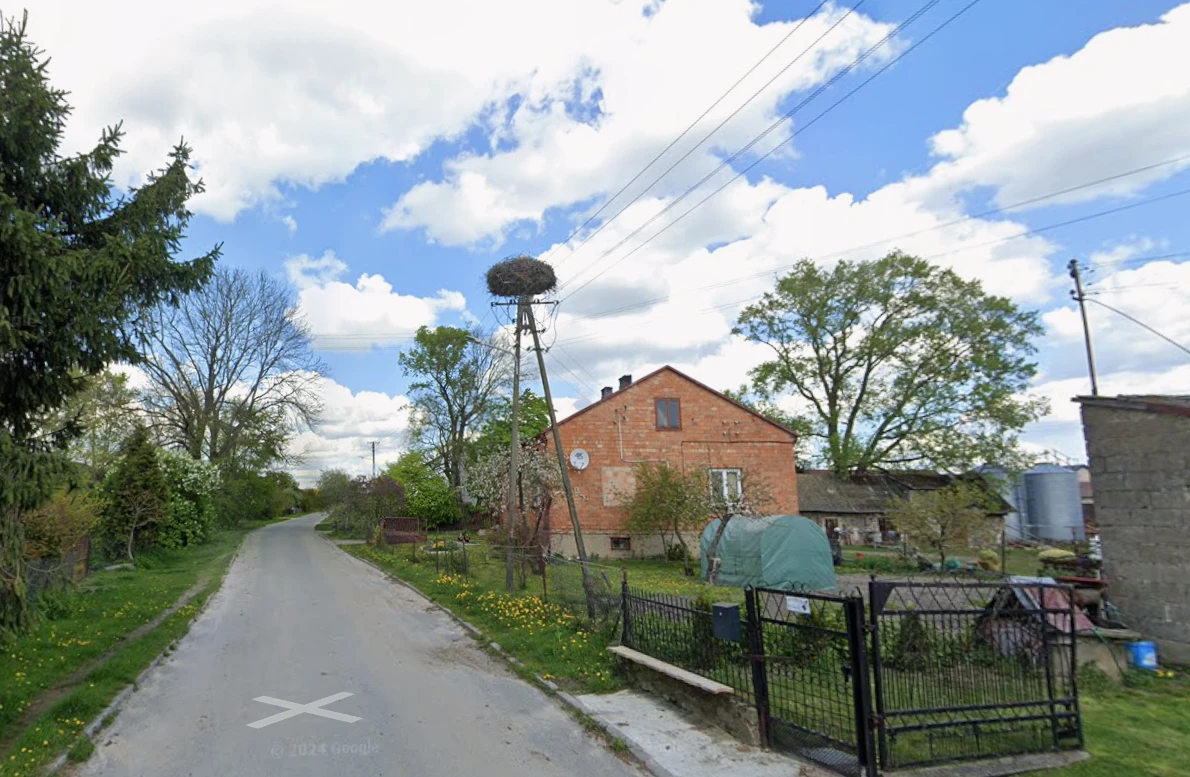
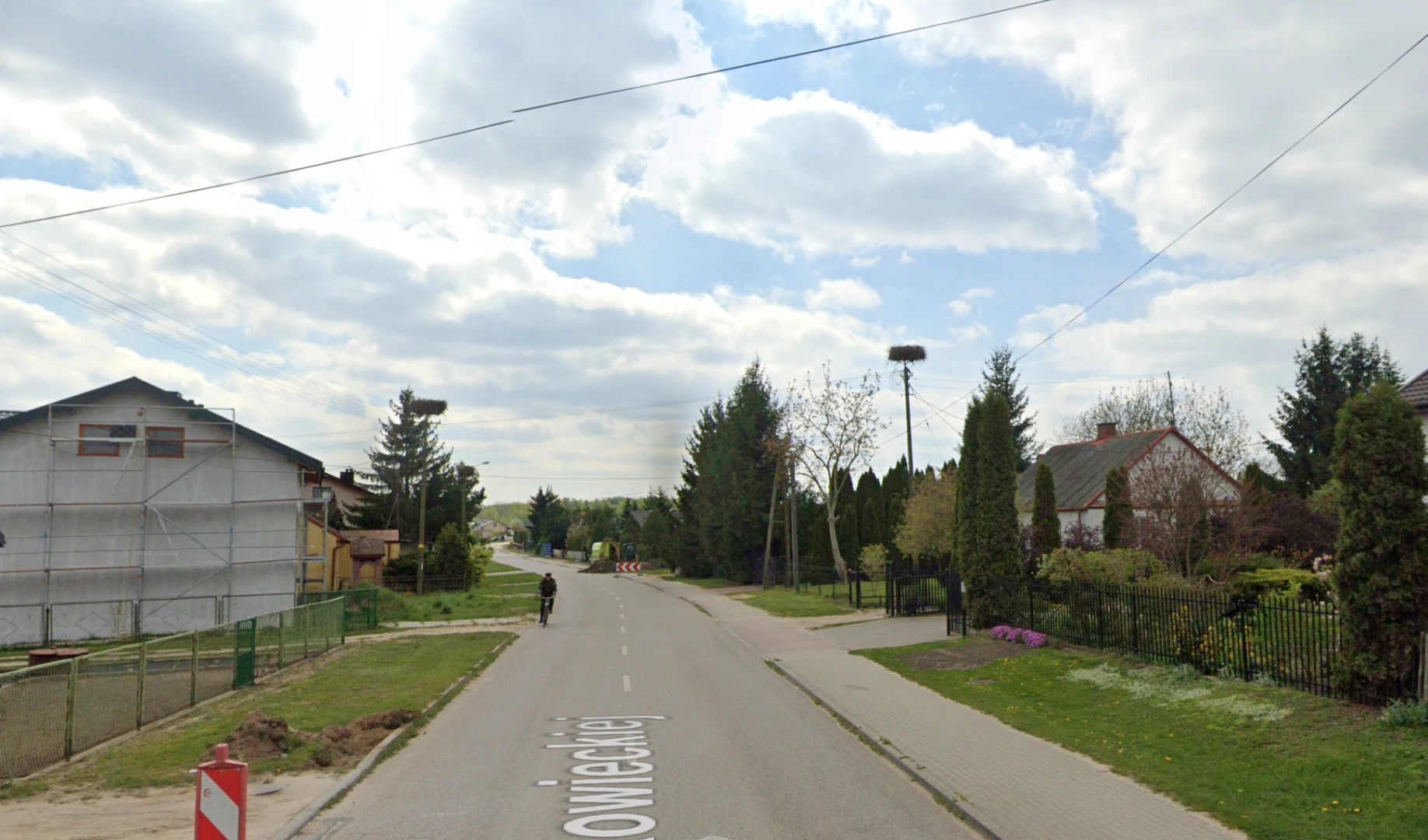
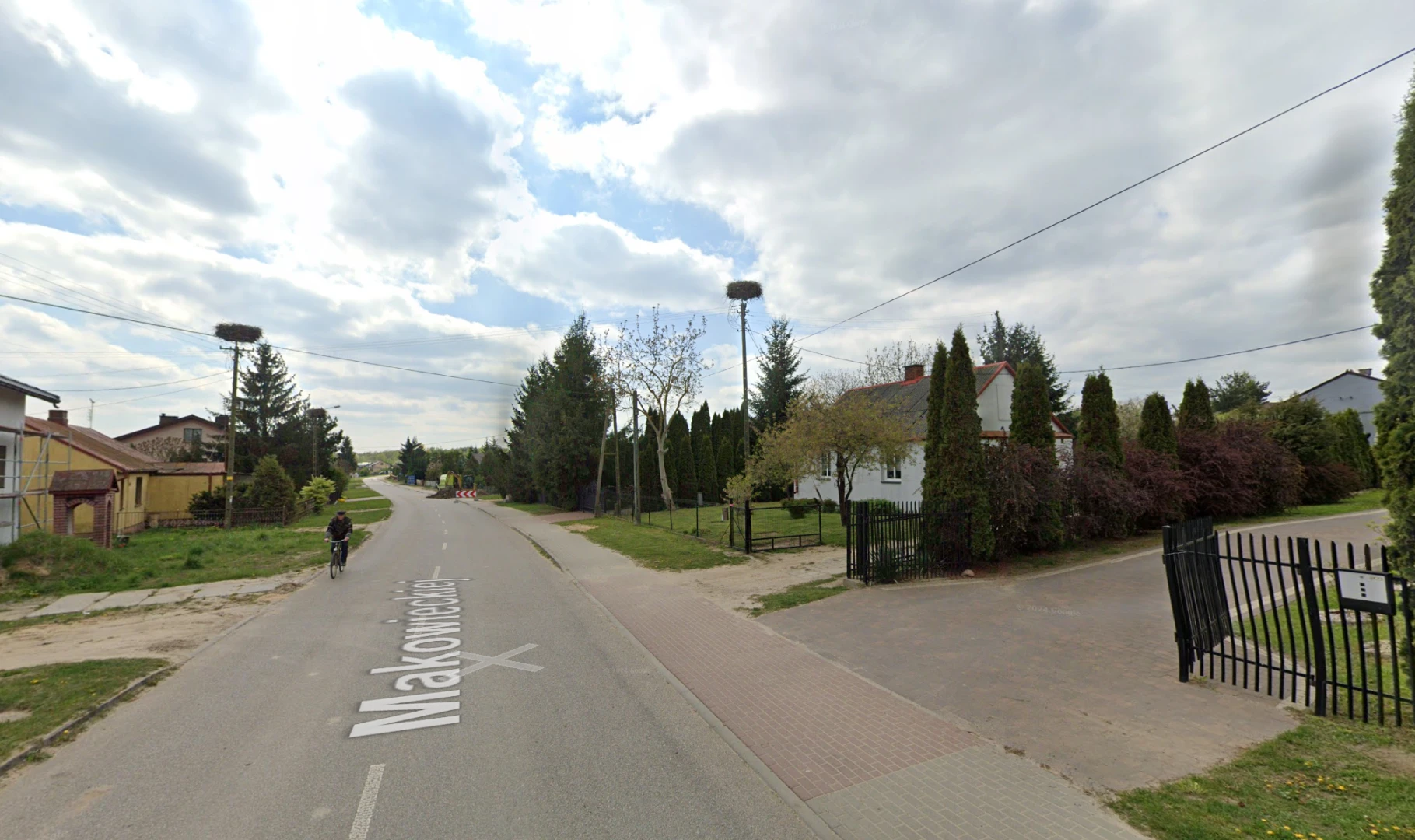
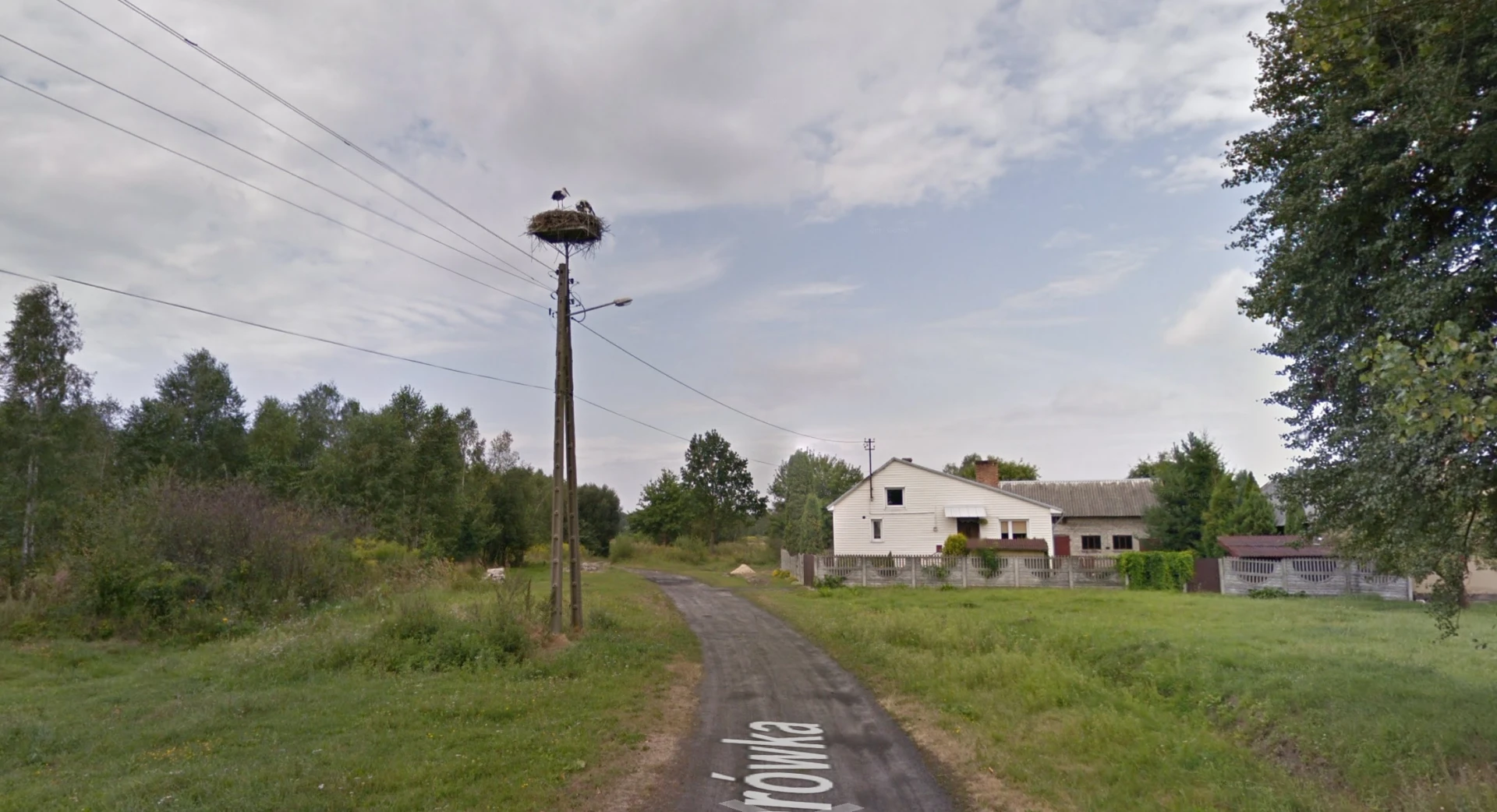
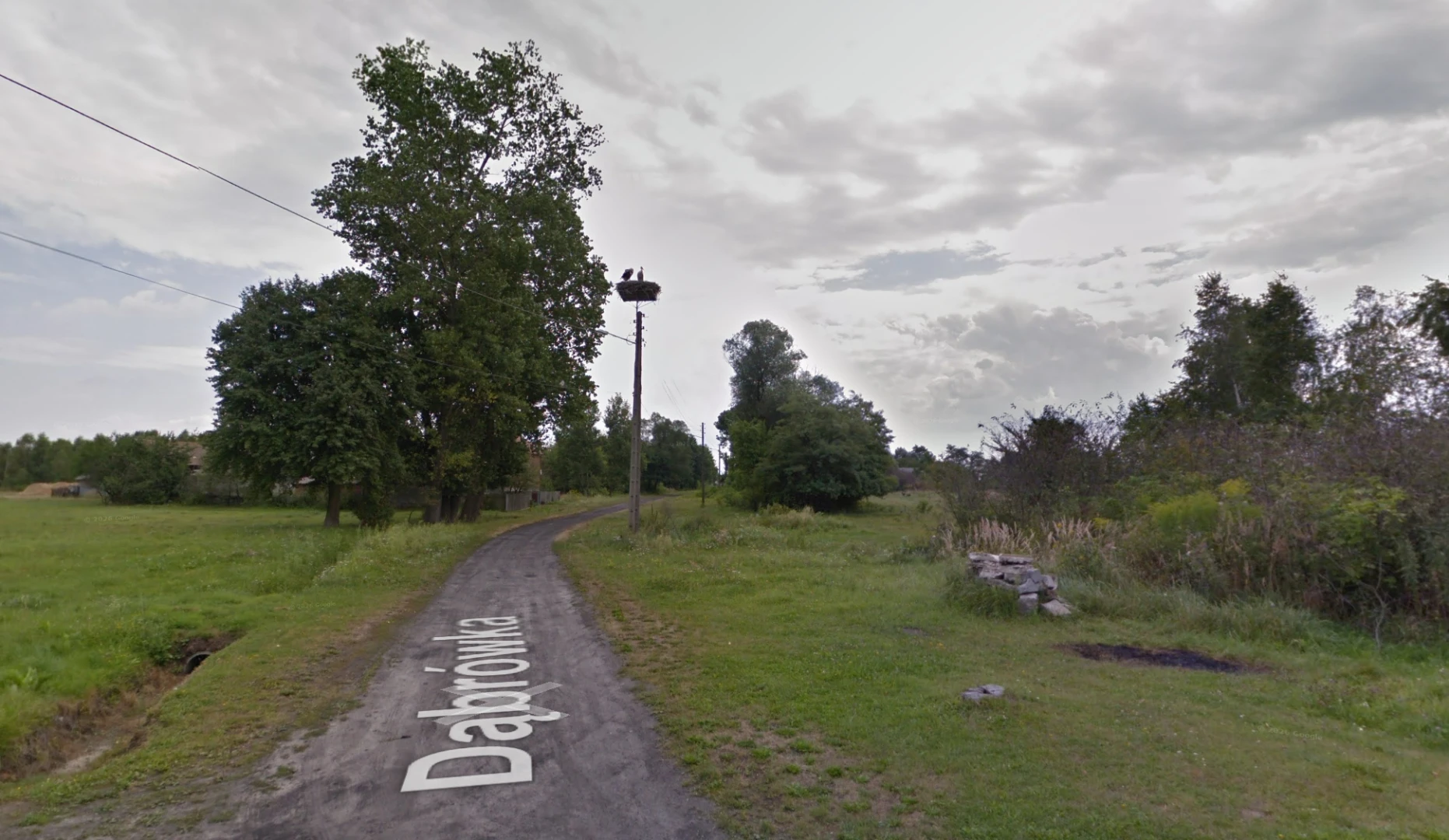
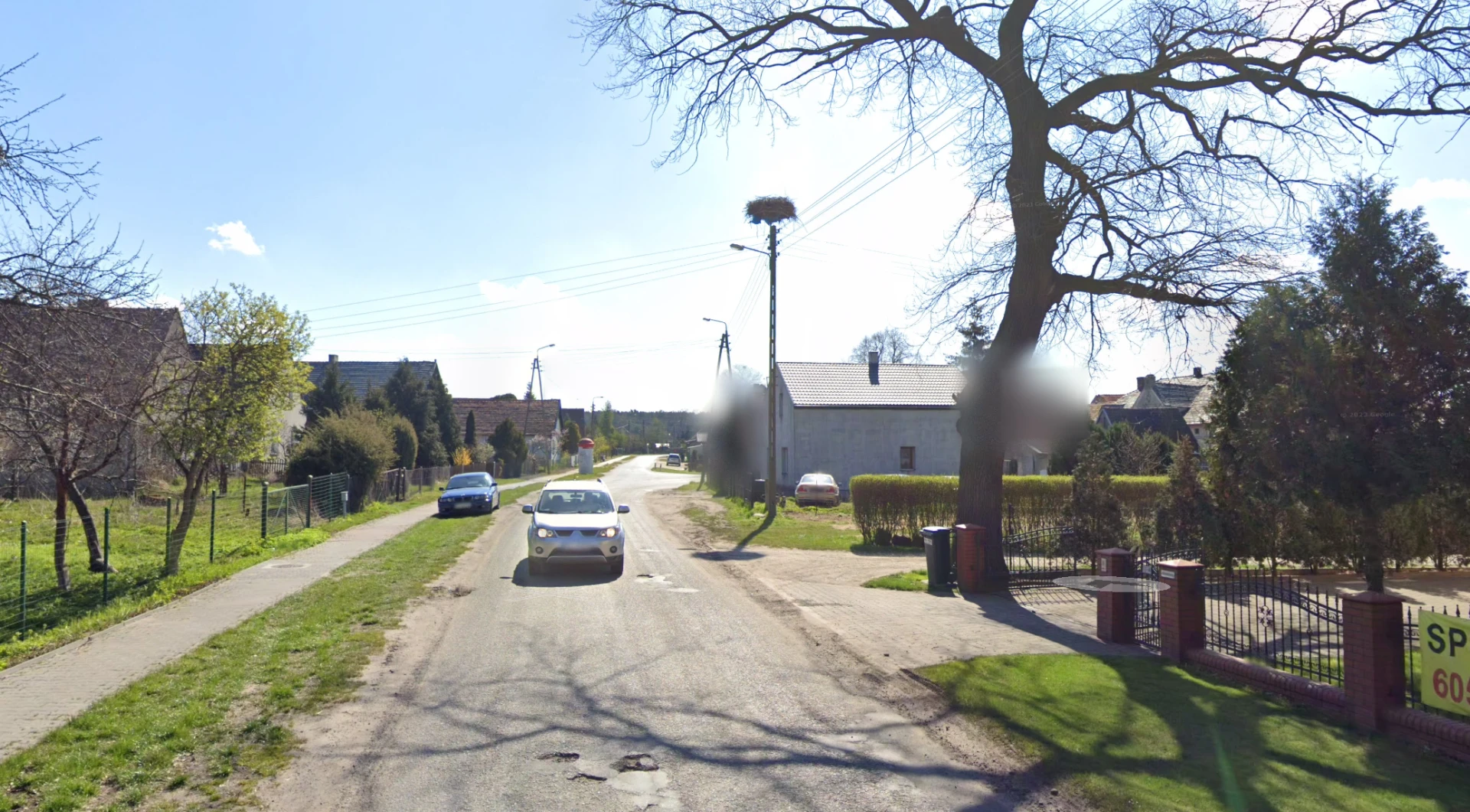
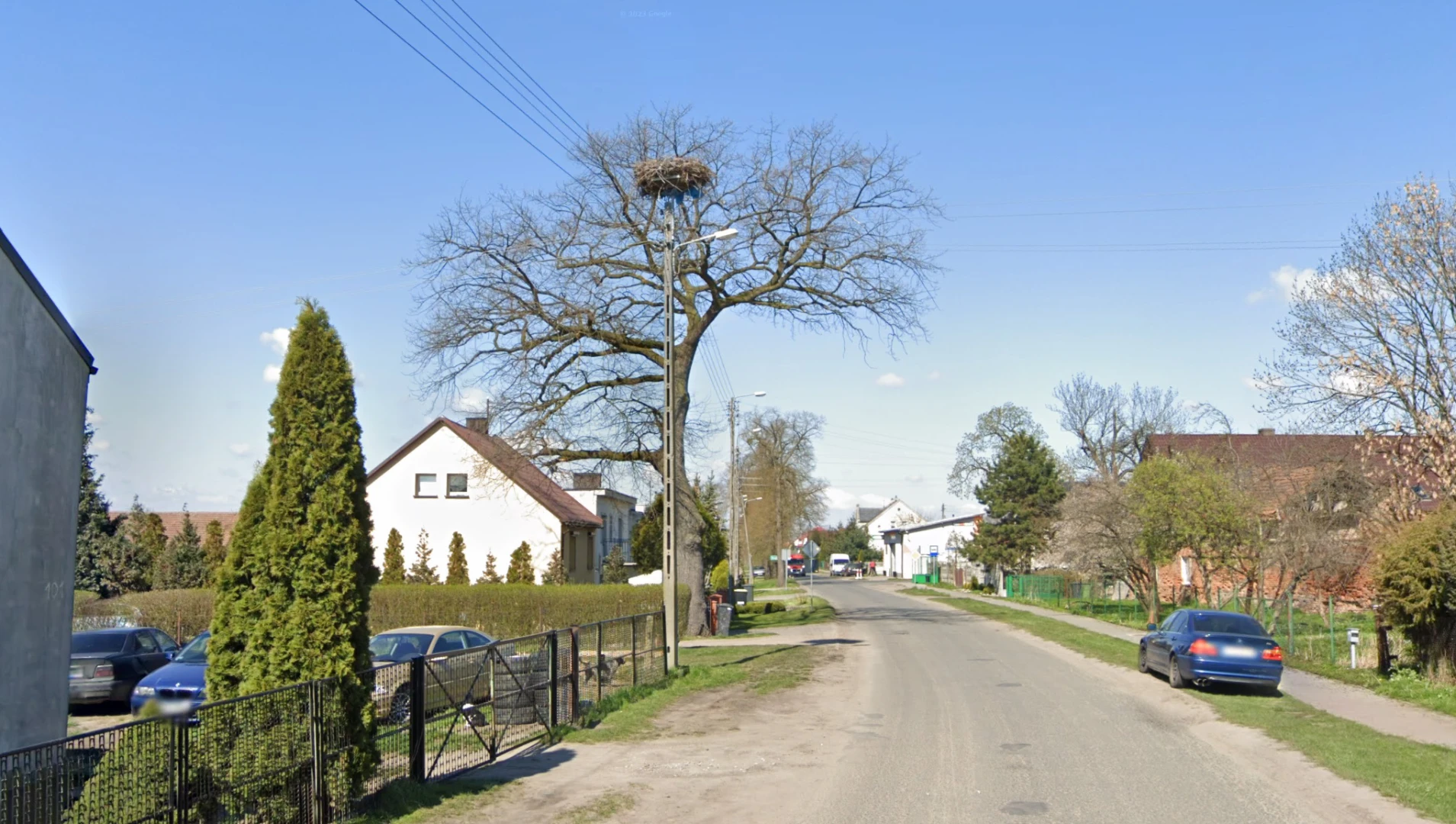
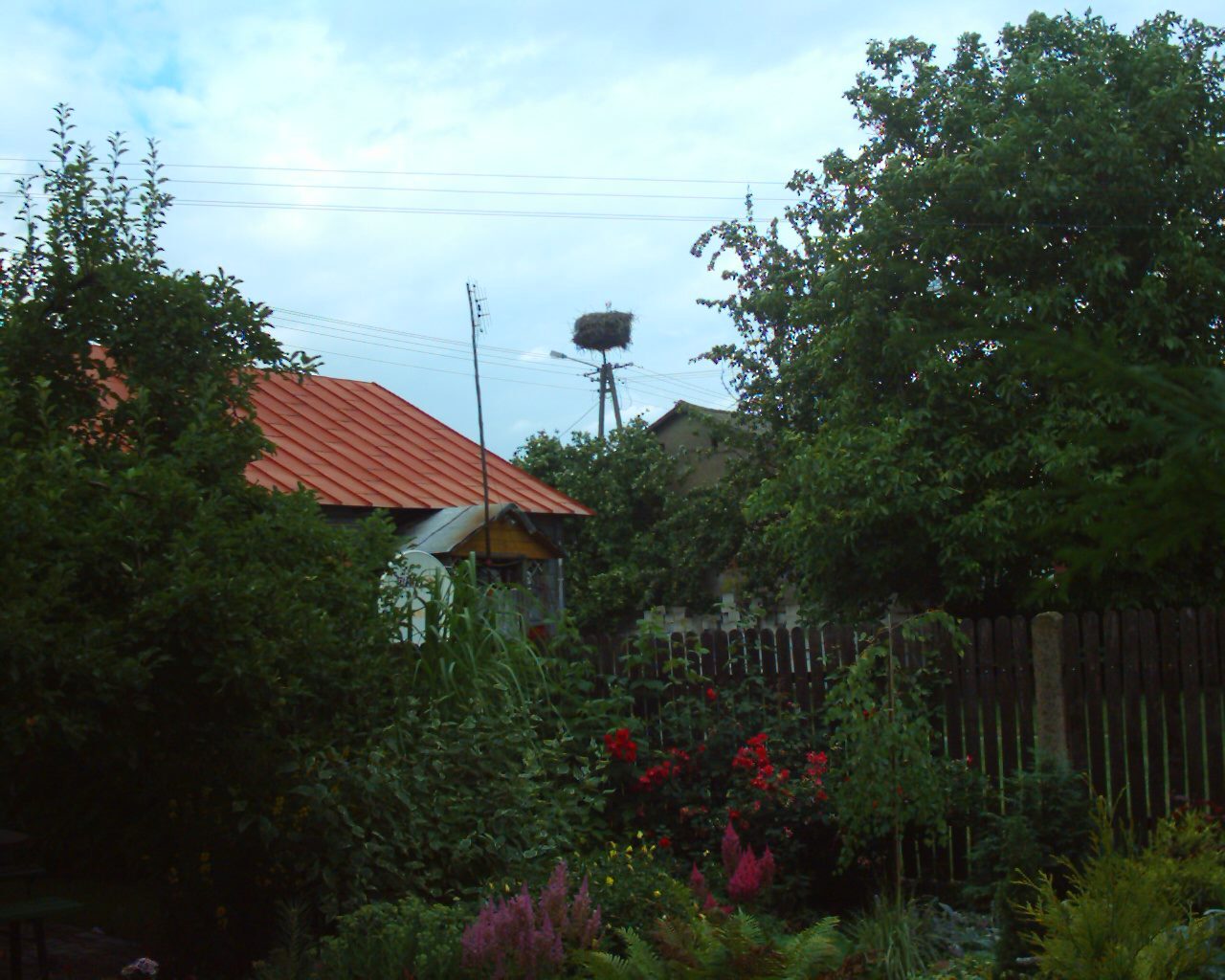
According to locals, storks have been nesting in Trzciniec for decades – they recall seeing them in their school days.
Extraordinary “Siege” of the Village by Storks
According to a resident’s account, in August 2002, hundreds of storks gathered on poles and roofs in Trzciniec, preparing for departure.
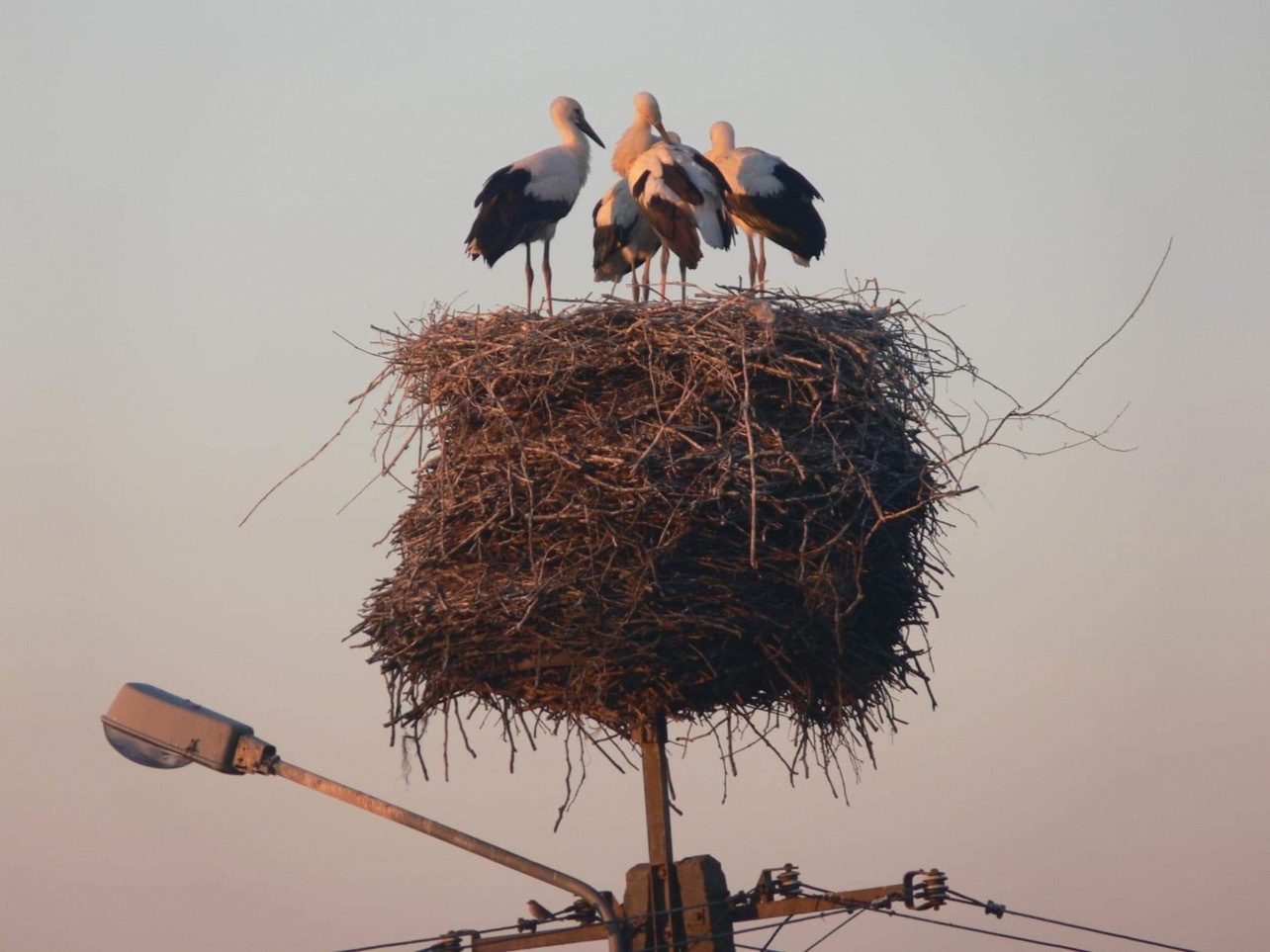
One of the most extraordinary events remembered by some residents was a probable stork gathering (known as a “sejmik”) in Trzciniec in 2002. In late August, while preparing for their autumn migration, dozens of storks began gathering in the area. Nearly every electric pole had a stork perched on it, and some also settled on rooftops. Residents believe the birds were resting here before continuing their journey to warmer regions, taking advantage of a convenient place to regain strength before departure.
Important Events and Actions (2005–2015)
First Close Observations of the Nest from Afar
The stork nest caught the attention of a young boy – Paweł – who discovered a passion for these birds.
Decision to Modernize the Nest
There were concerns about the pole’s durability under the weight of the nest, which storks had expanded over the years. Plans were made to remove the surplus before the next season.
Over time, my curiosity grew, leading me into the world of online live streams. The first stork nest I watched was in RaszkĂłw. There I met people who shared my passion and who remain by my side to this day. This experience opened up new possibilities for me and further ignited my fascination with storks, which soon evolved into more than mere window-side observation.
In subsequent years, the Trzciniec nest grew in size, becoming more and more expansive. The storks consistently added layers of branches and materials, until eventually concerns arose about the stability of the pole on which the nest sat. In 2015, a decision was made that intervention was necessary—removing the excess structure to avoid endangering both the birds and local infrastructure.
This event further strengthened my interest in stork conservation and encouraged me to take the first steps toward a new idea, which, a few years later, turned into the stork nest monitoring project in Trzciniec.
Era of Monitoring at the Nest (2016–2020)
Installation of the First Internet Camera
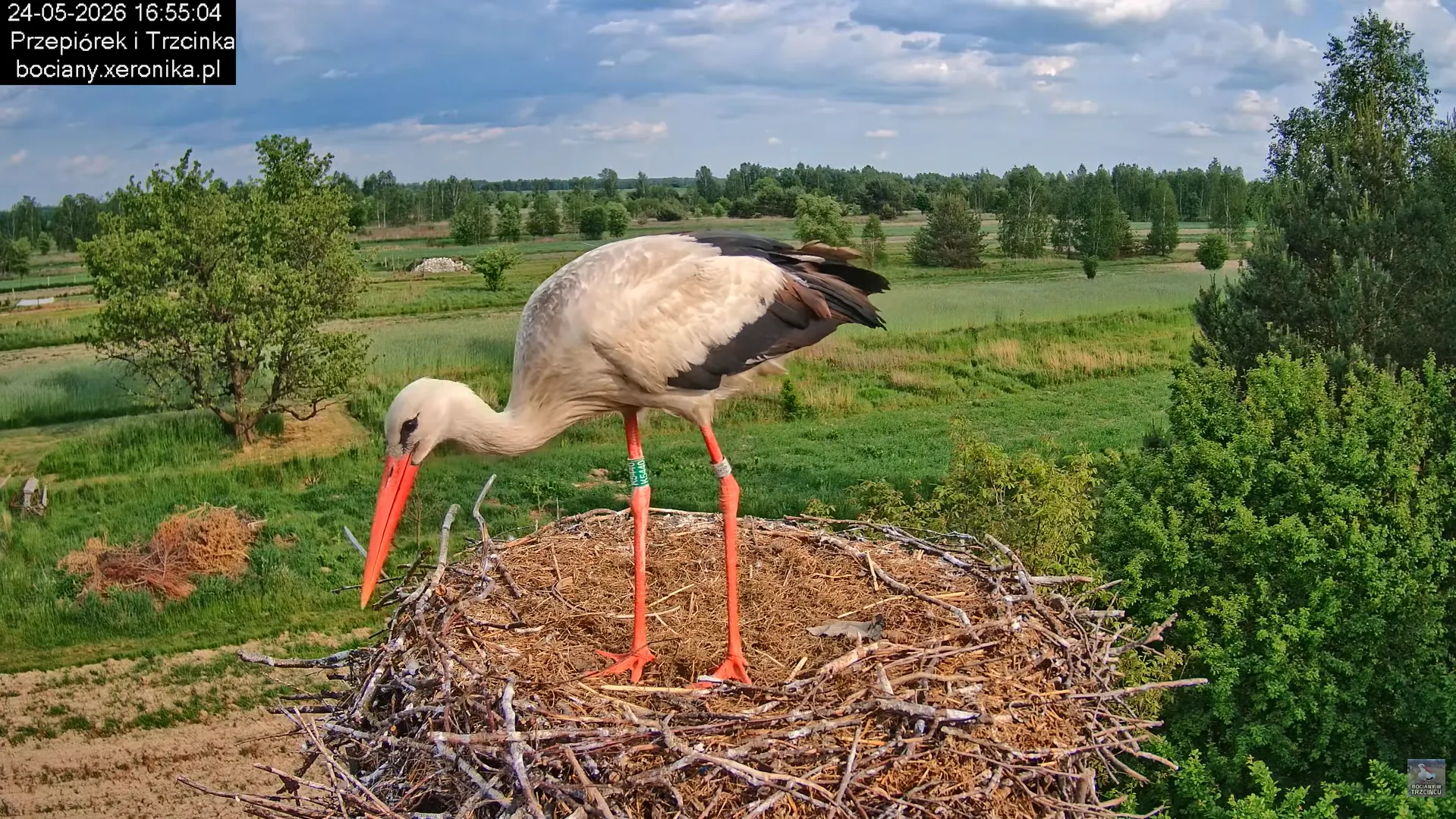
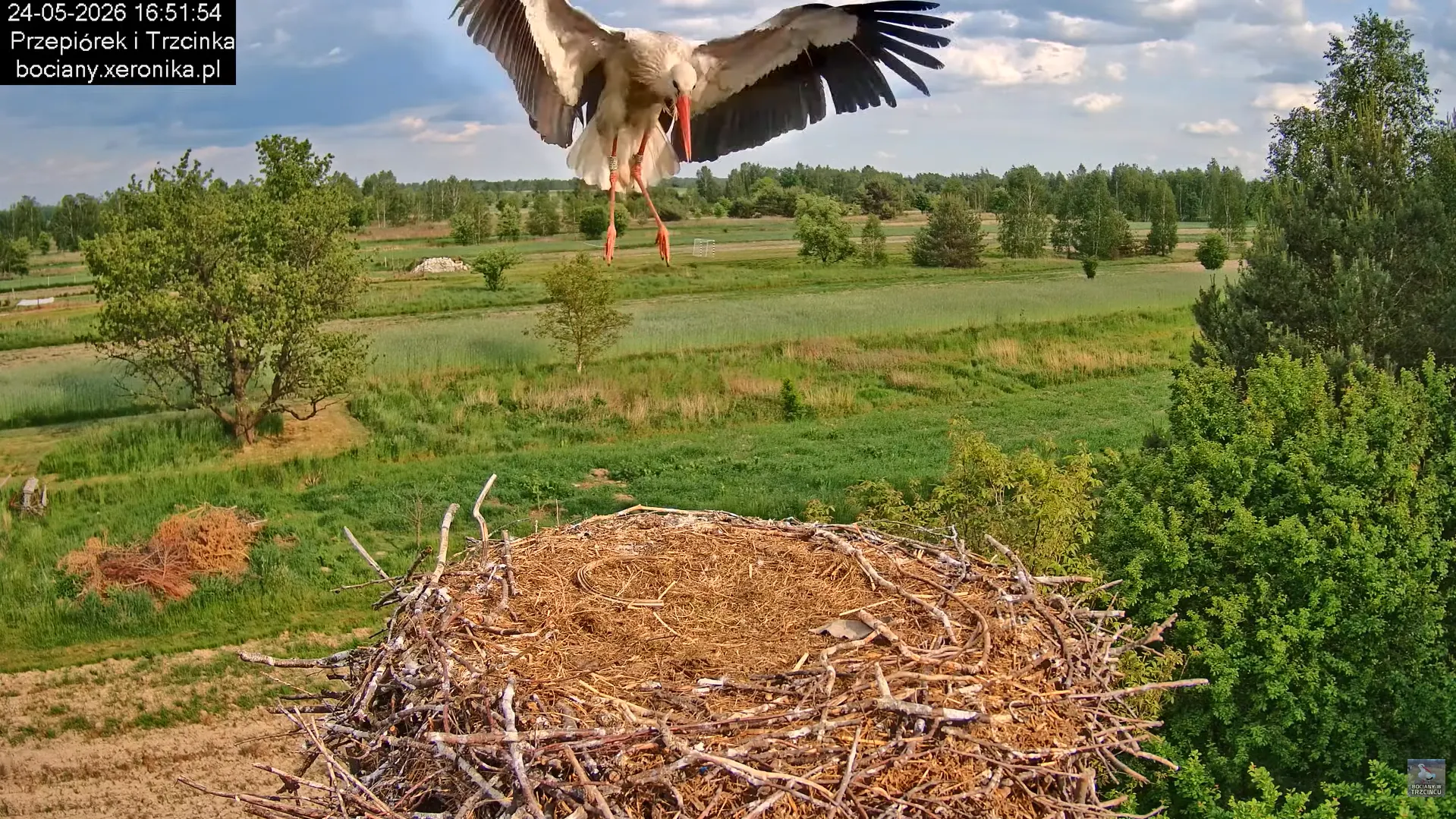
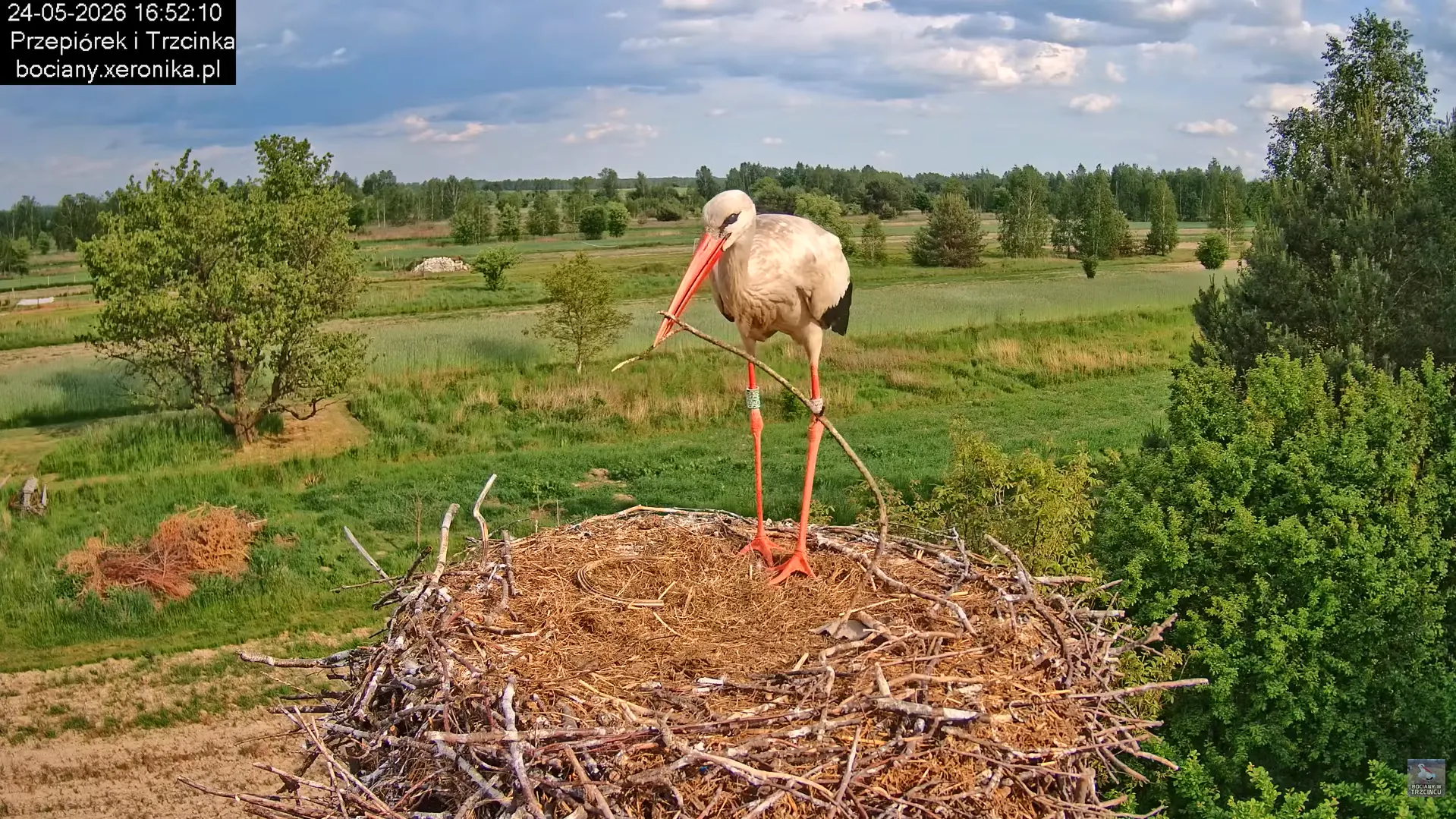
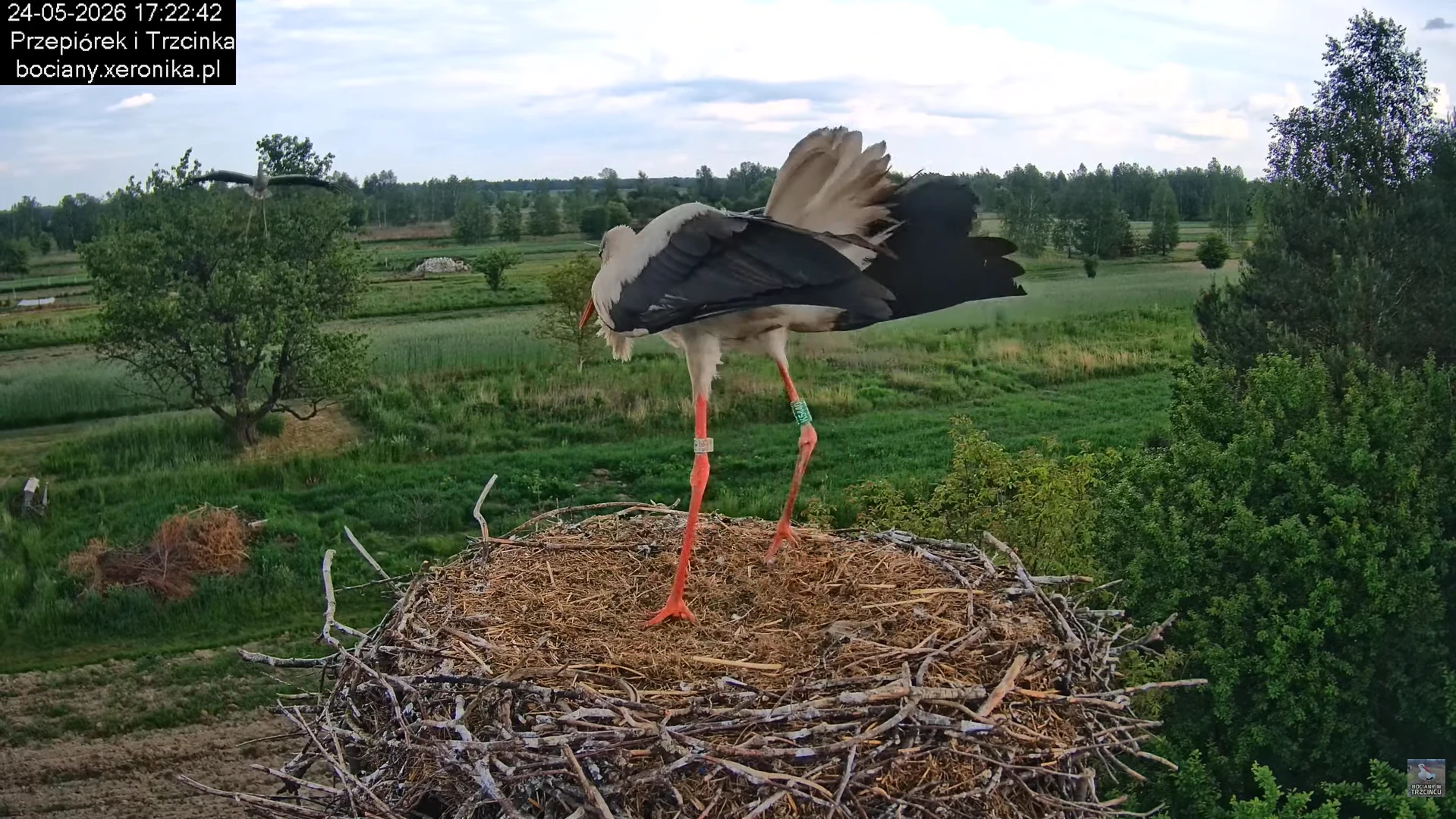
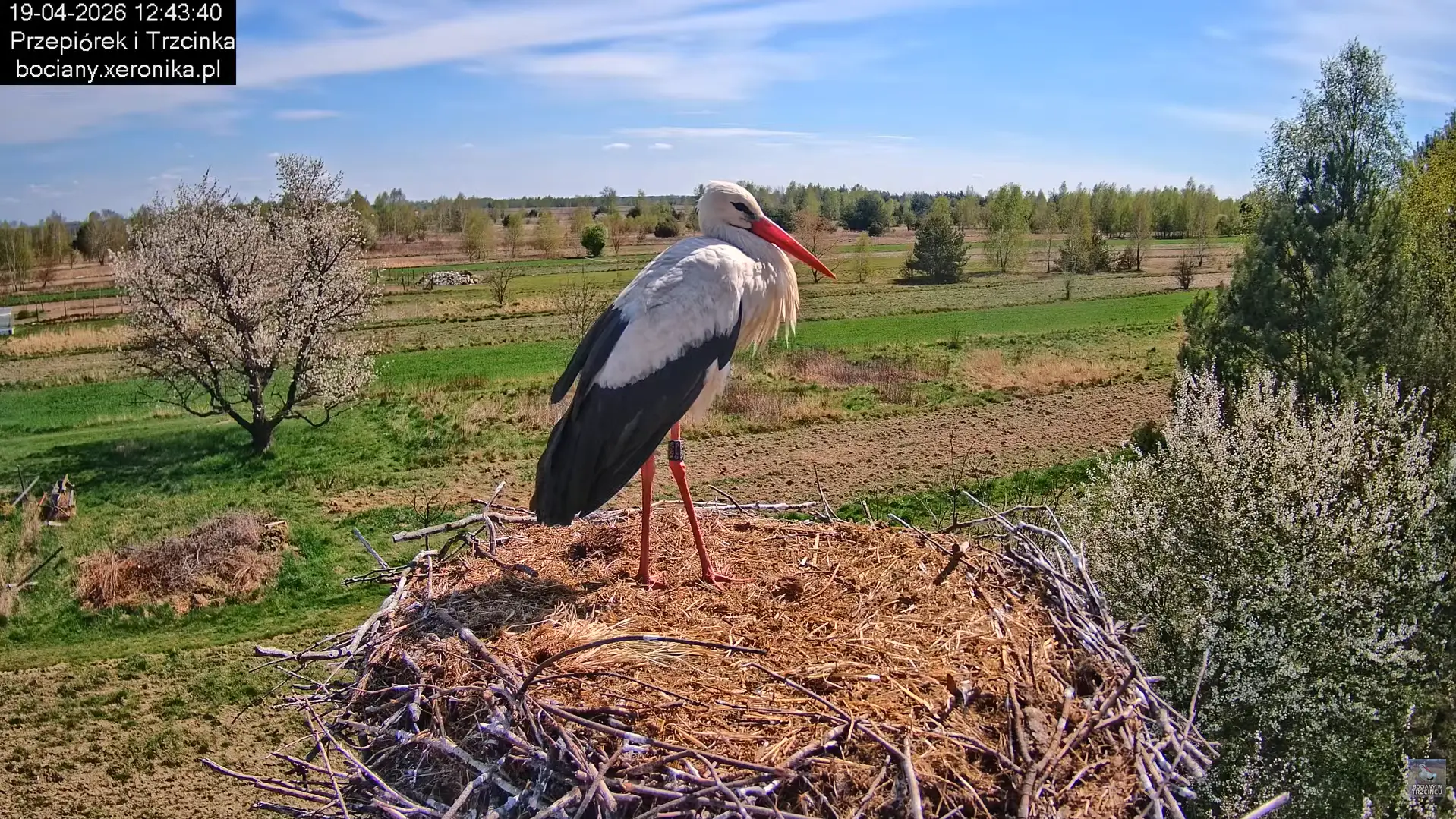
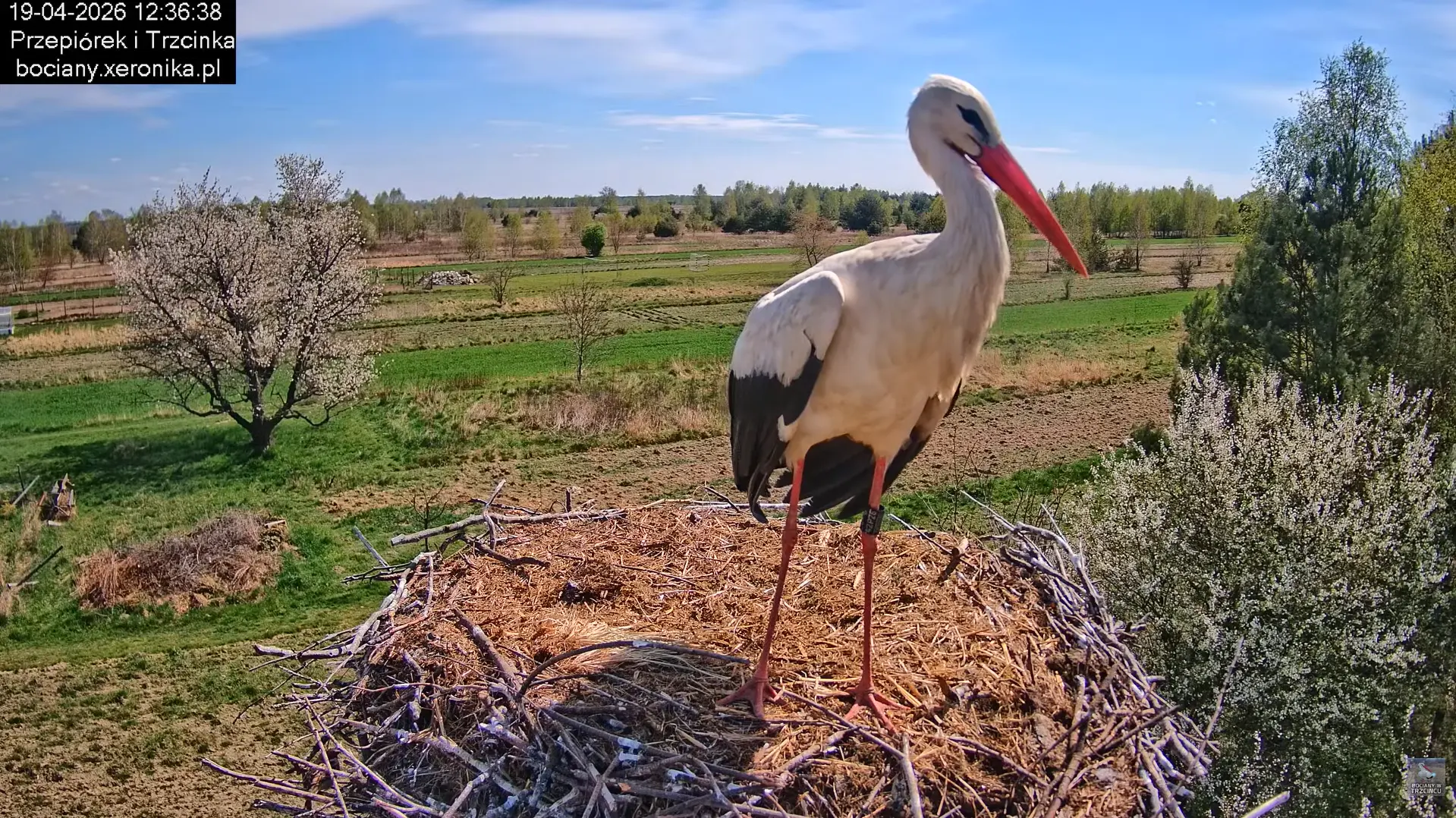
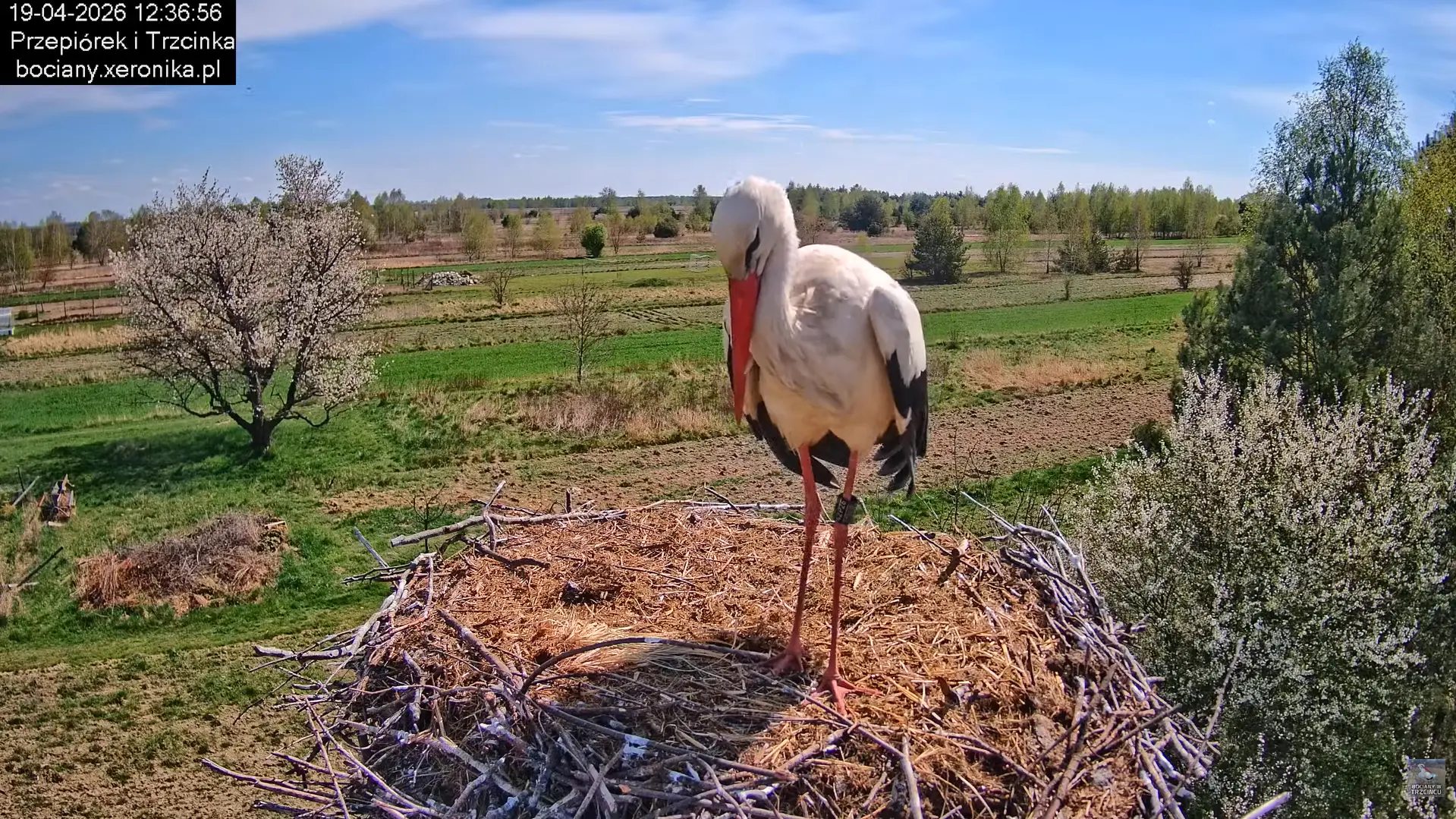
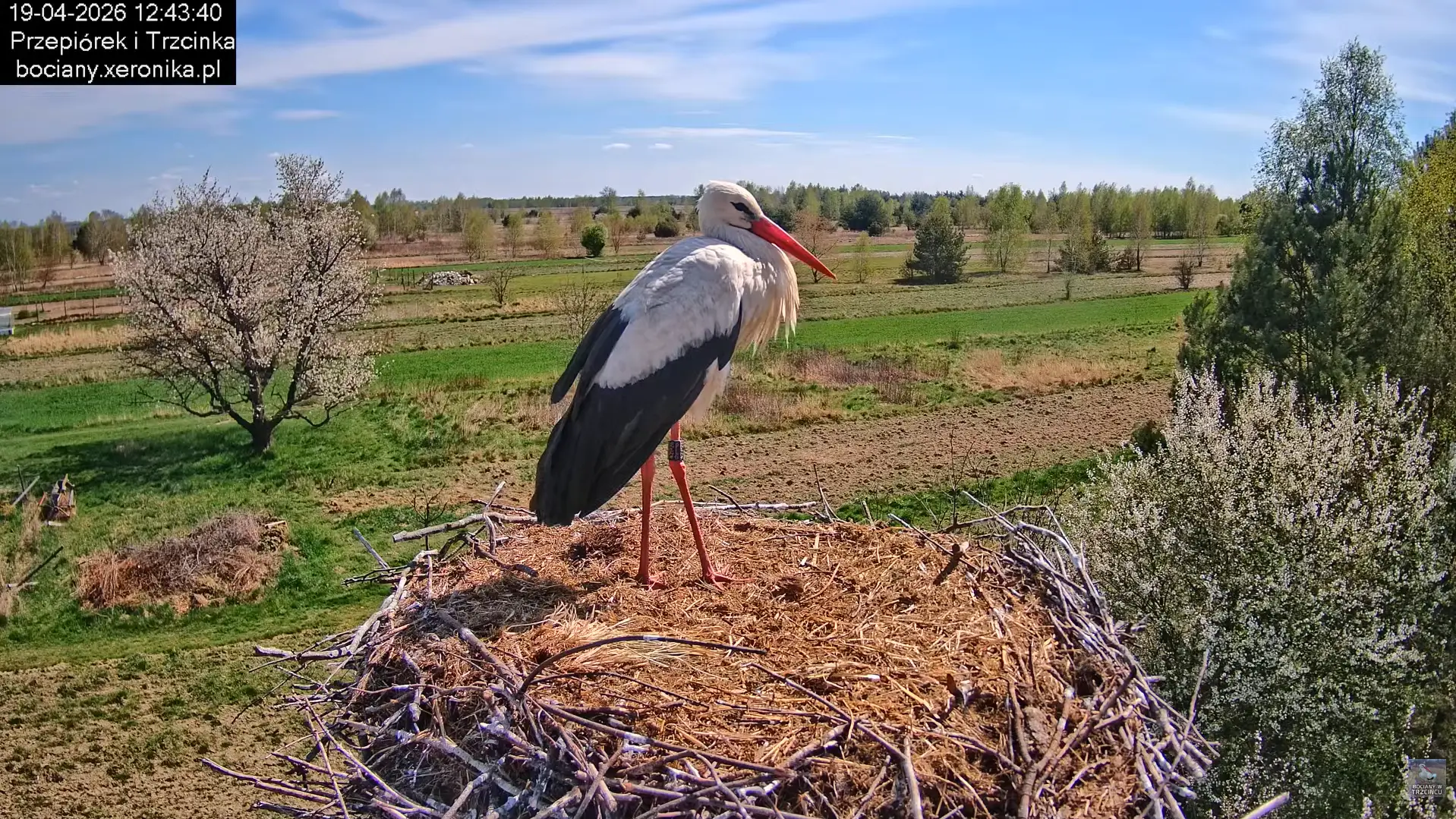
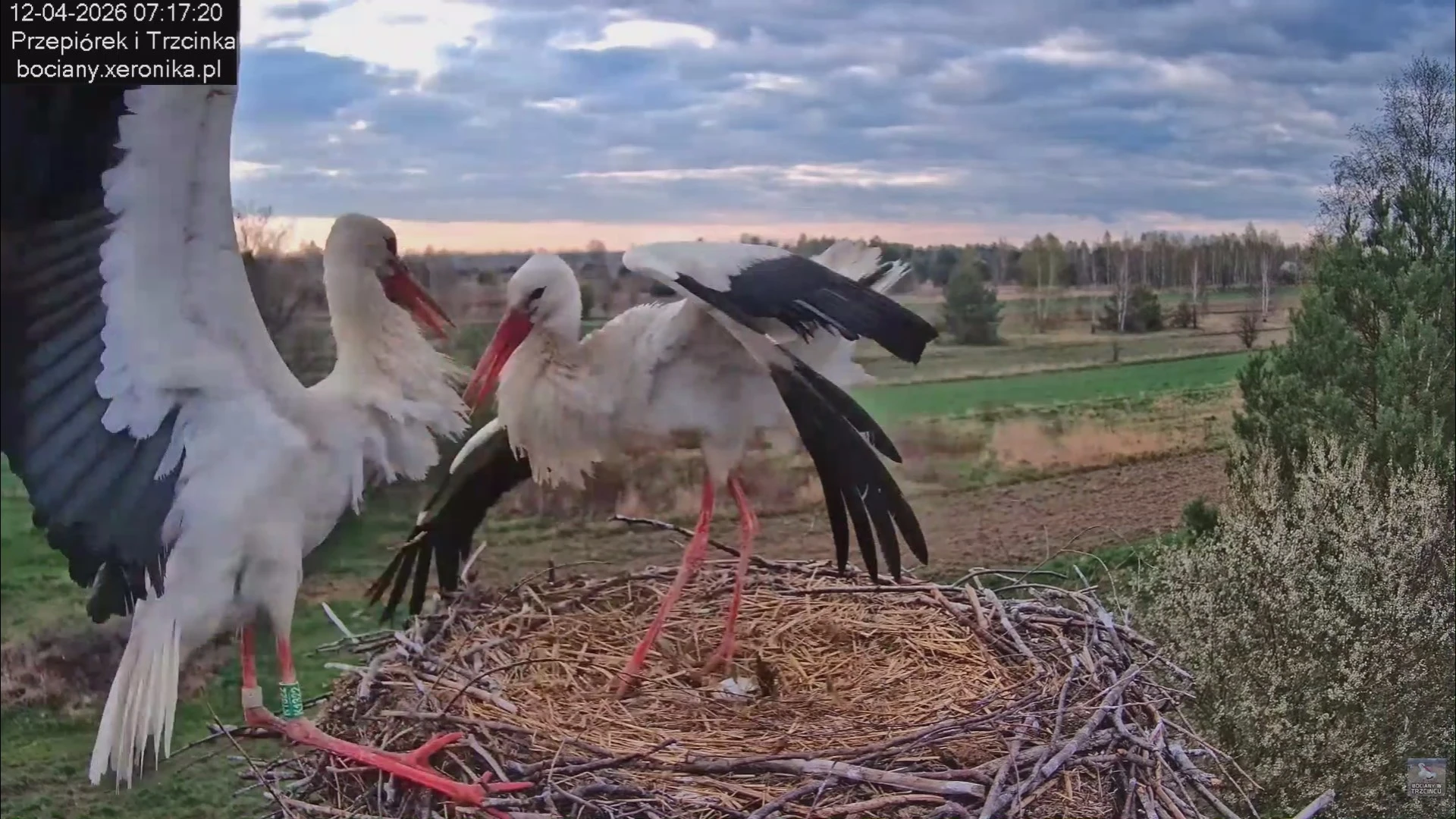
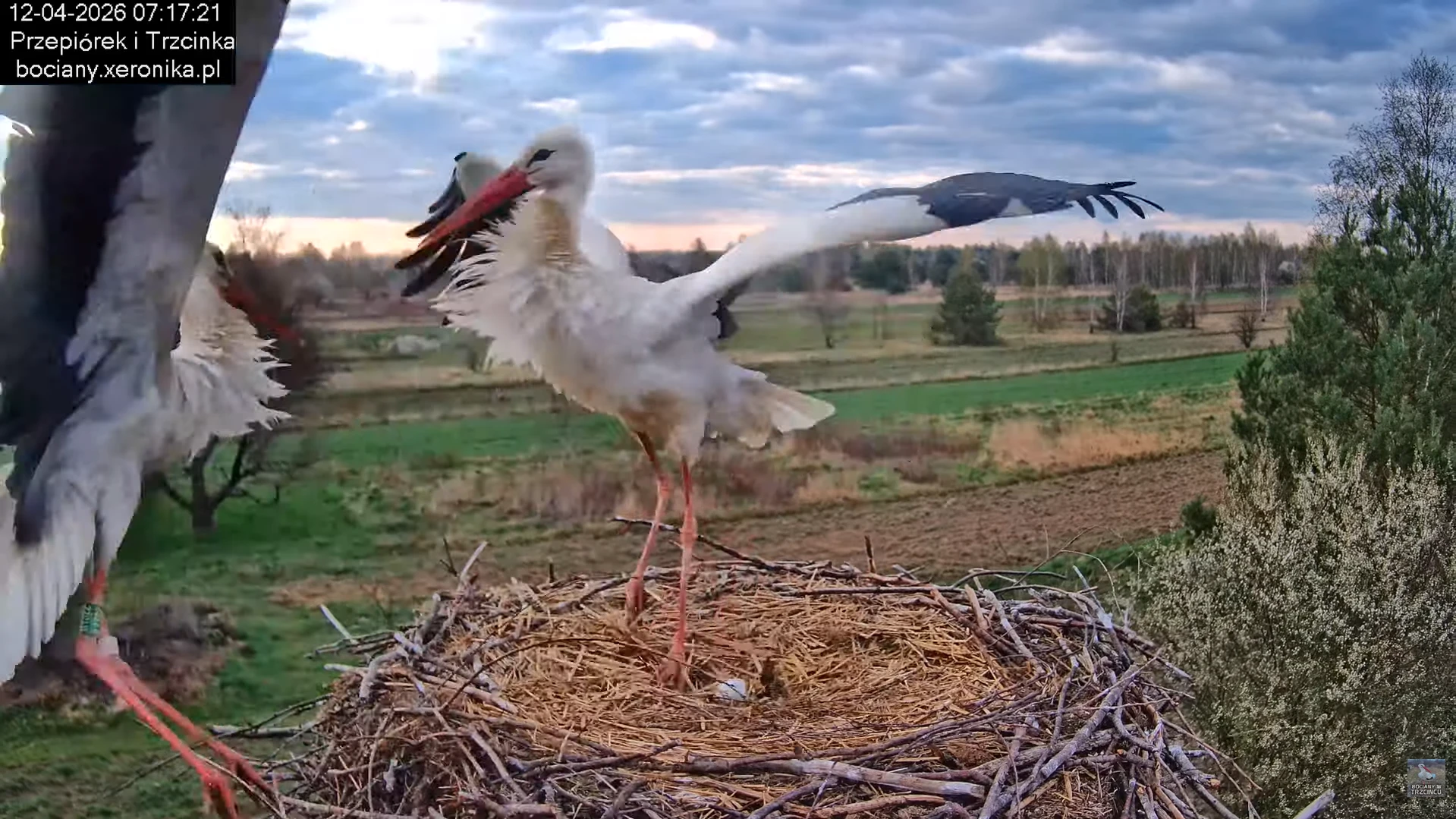
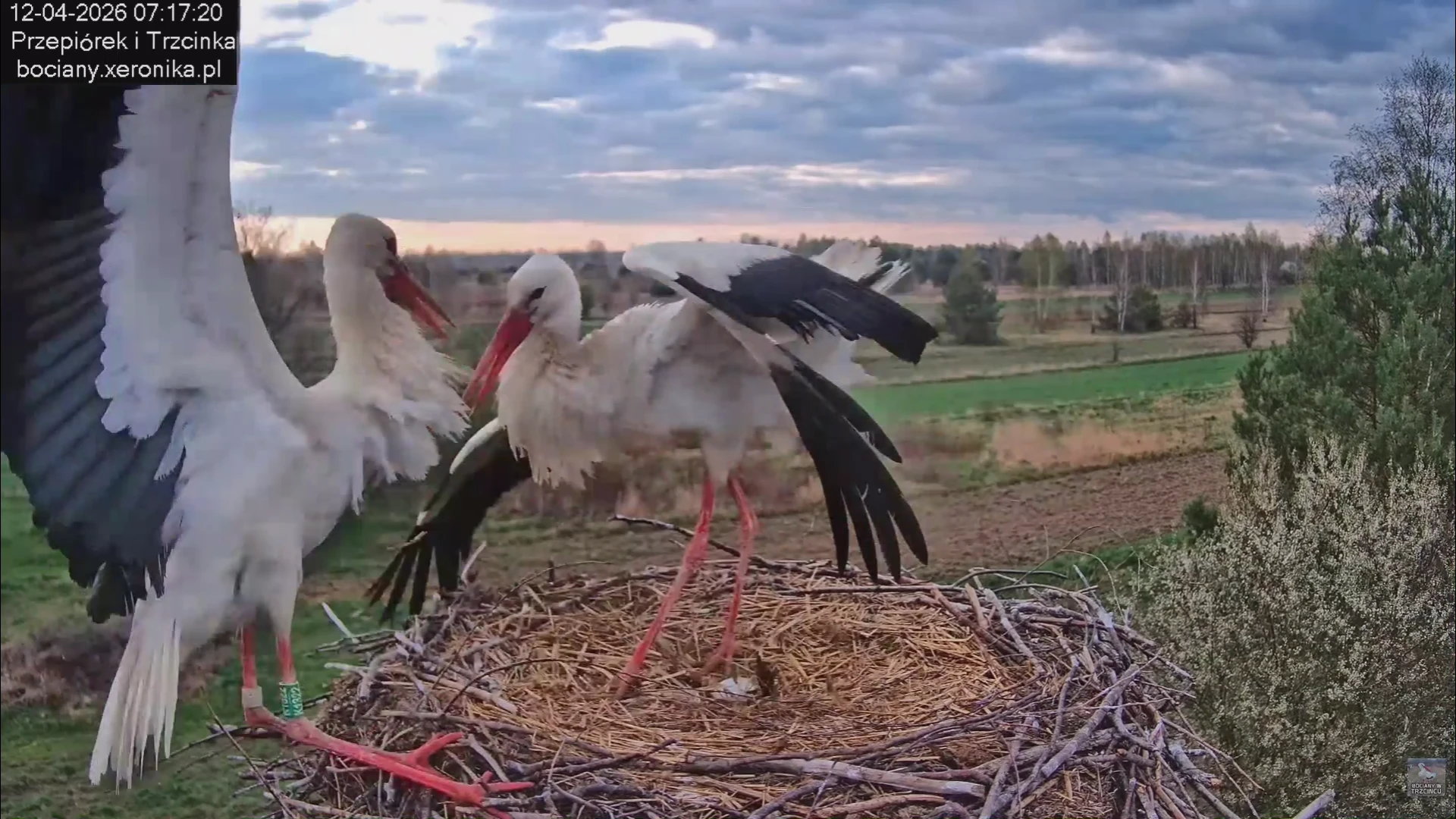
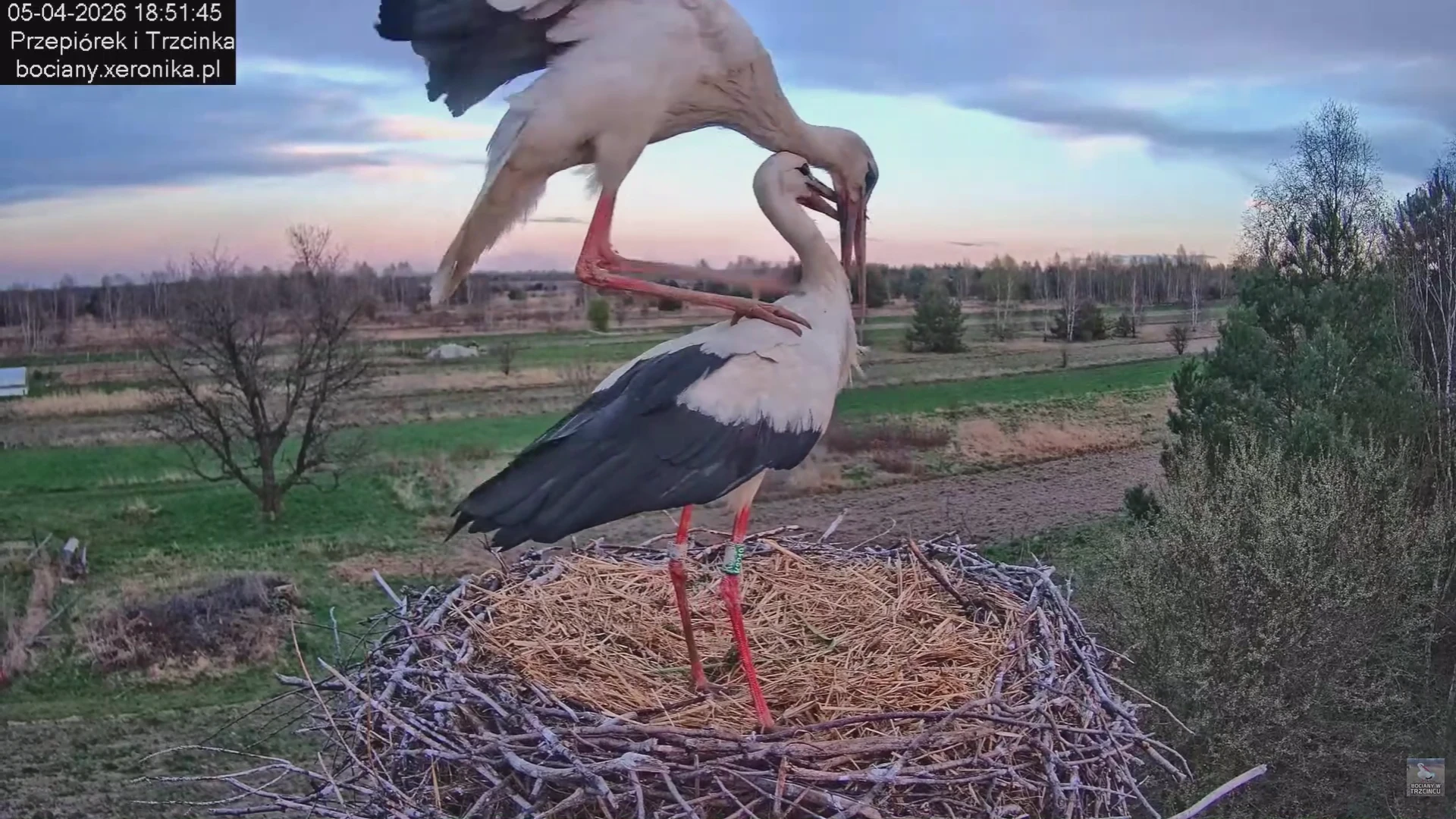
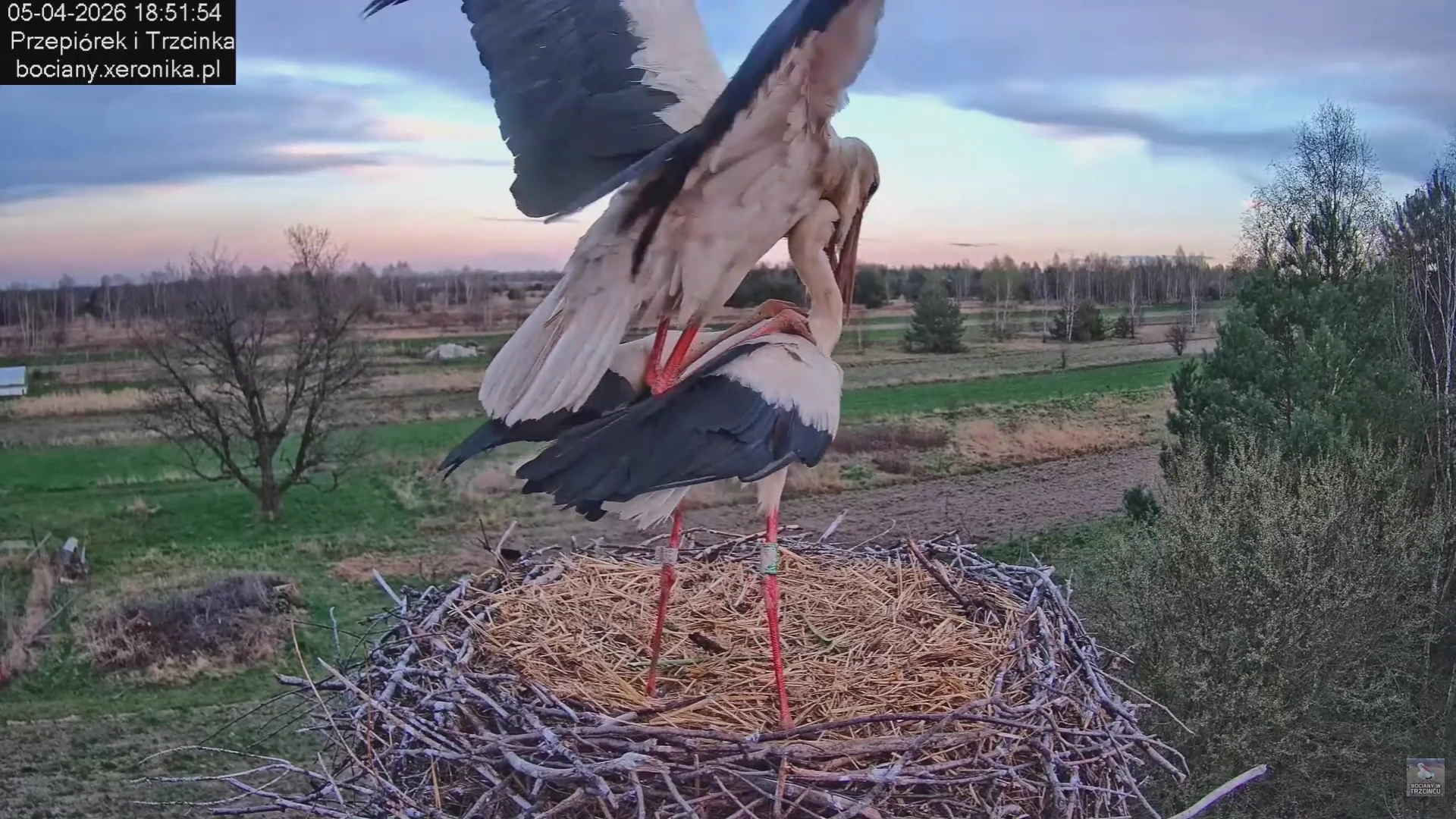
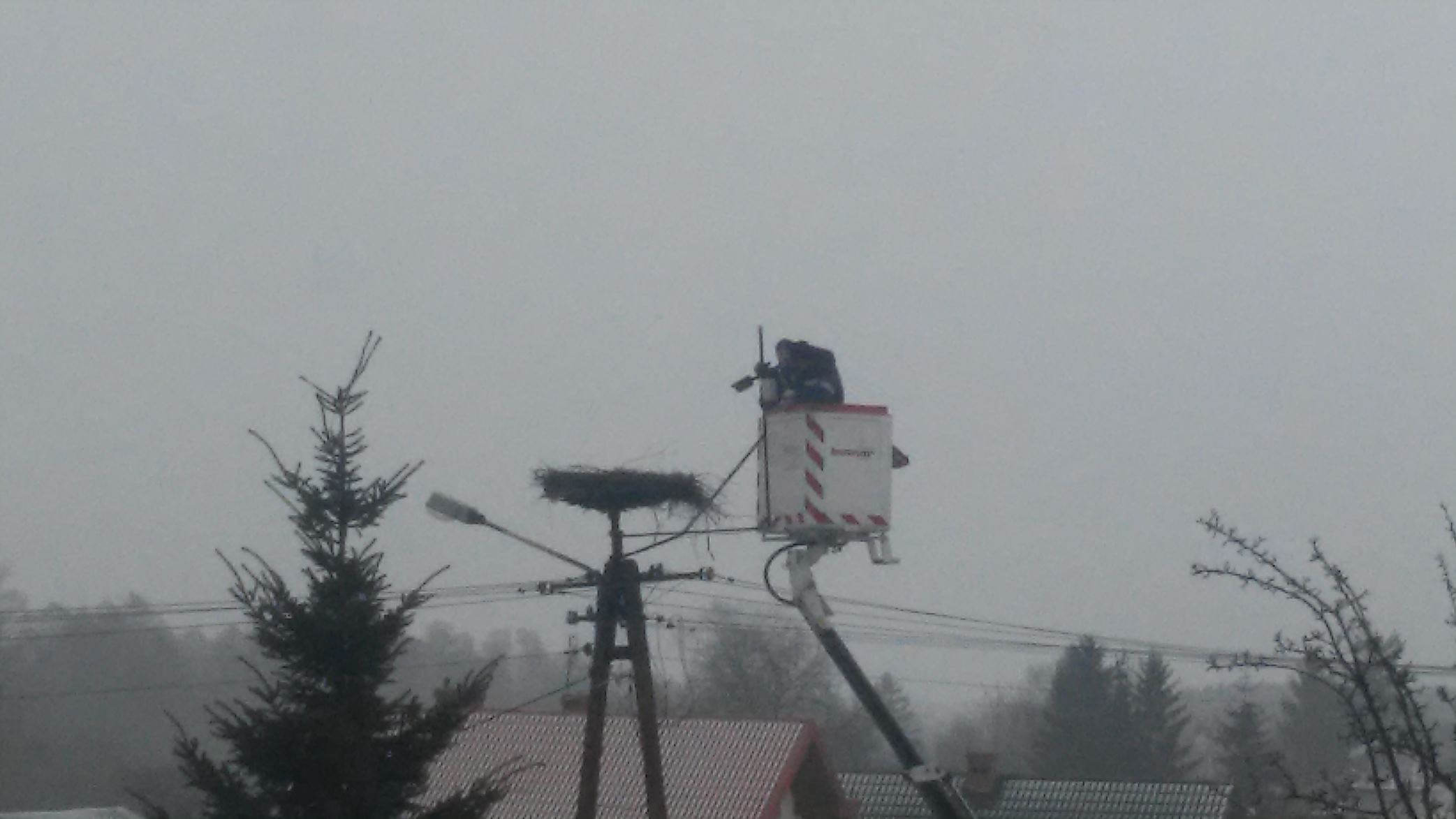
In early February, the nest that storks had been building for over a decade was modernized—it was almost 1.5 meters high and could weigh up to a ton. During this “renovation,” a camera was installed. The community observing the nest named the stork pair “Przepiórek” and “Trzcinka,” referring to the name of the village.
Stork Fight Over the Nest
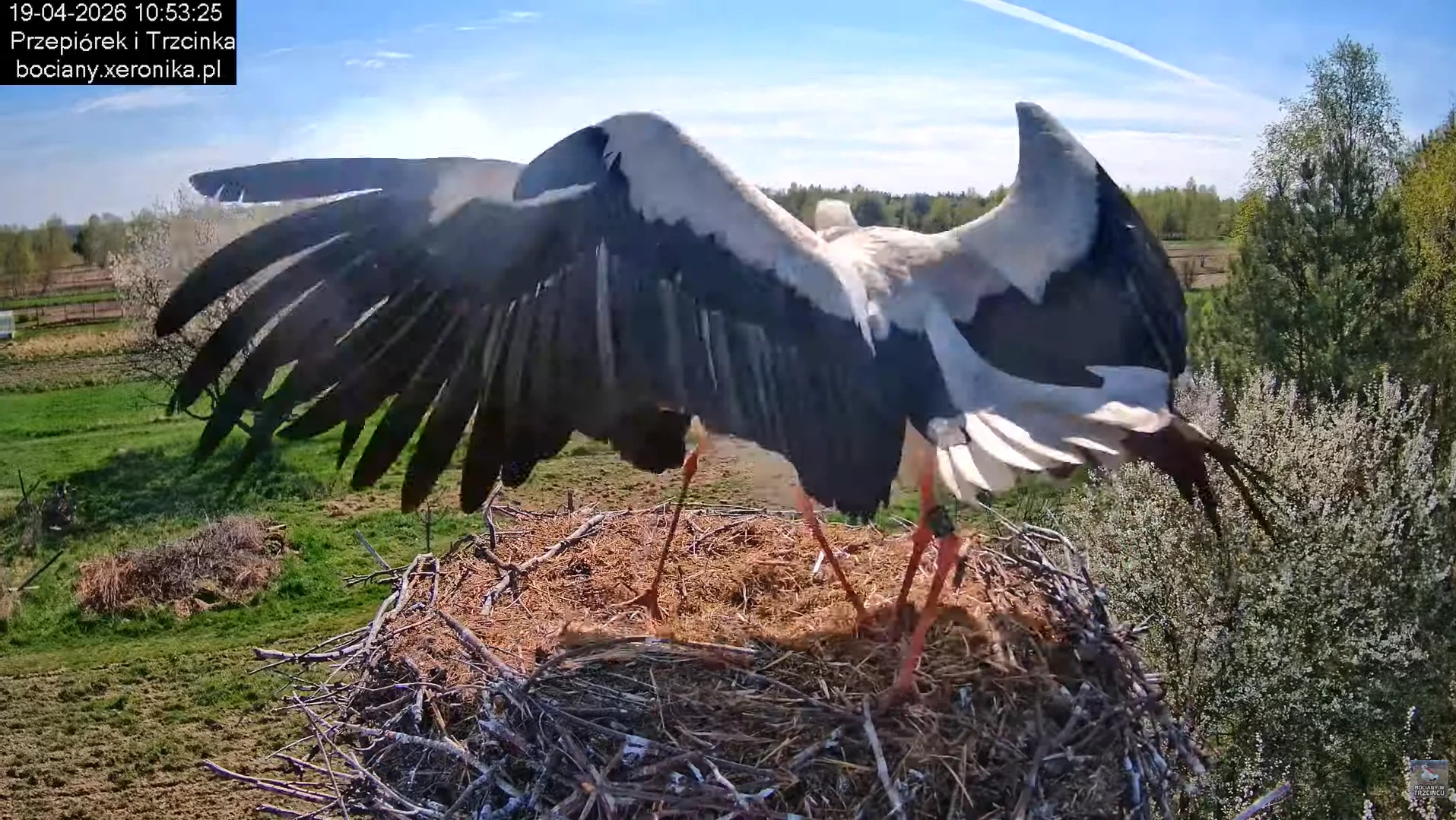
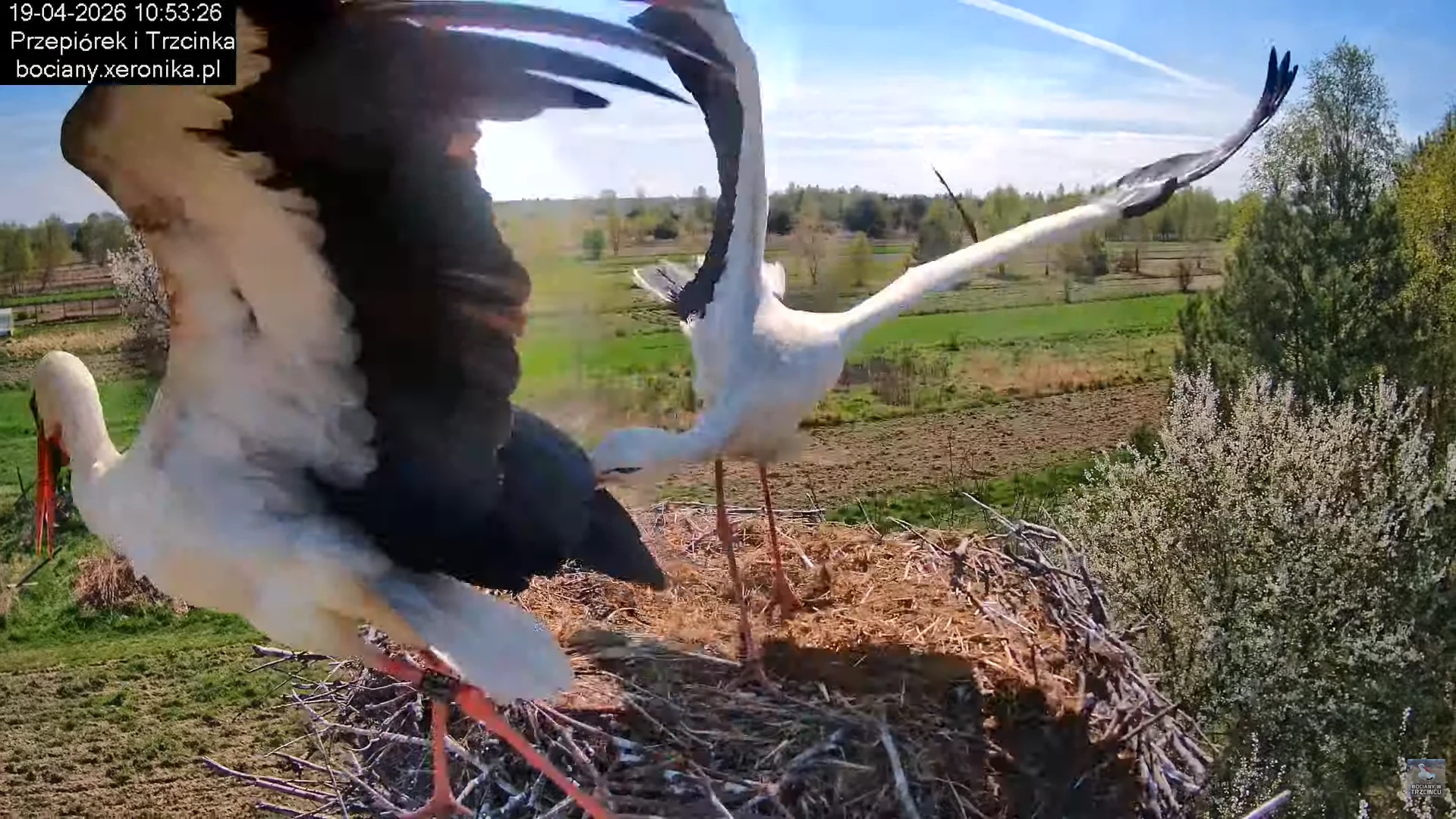
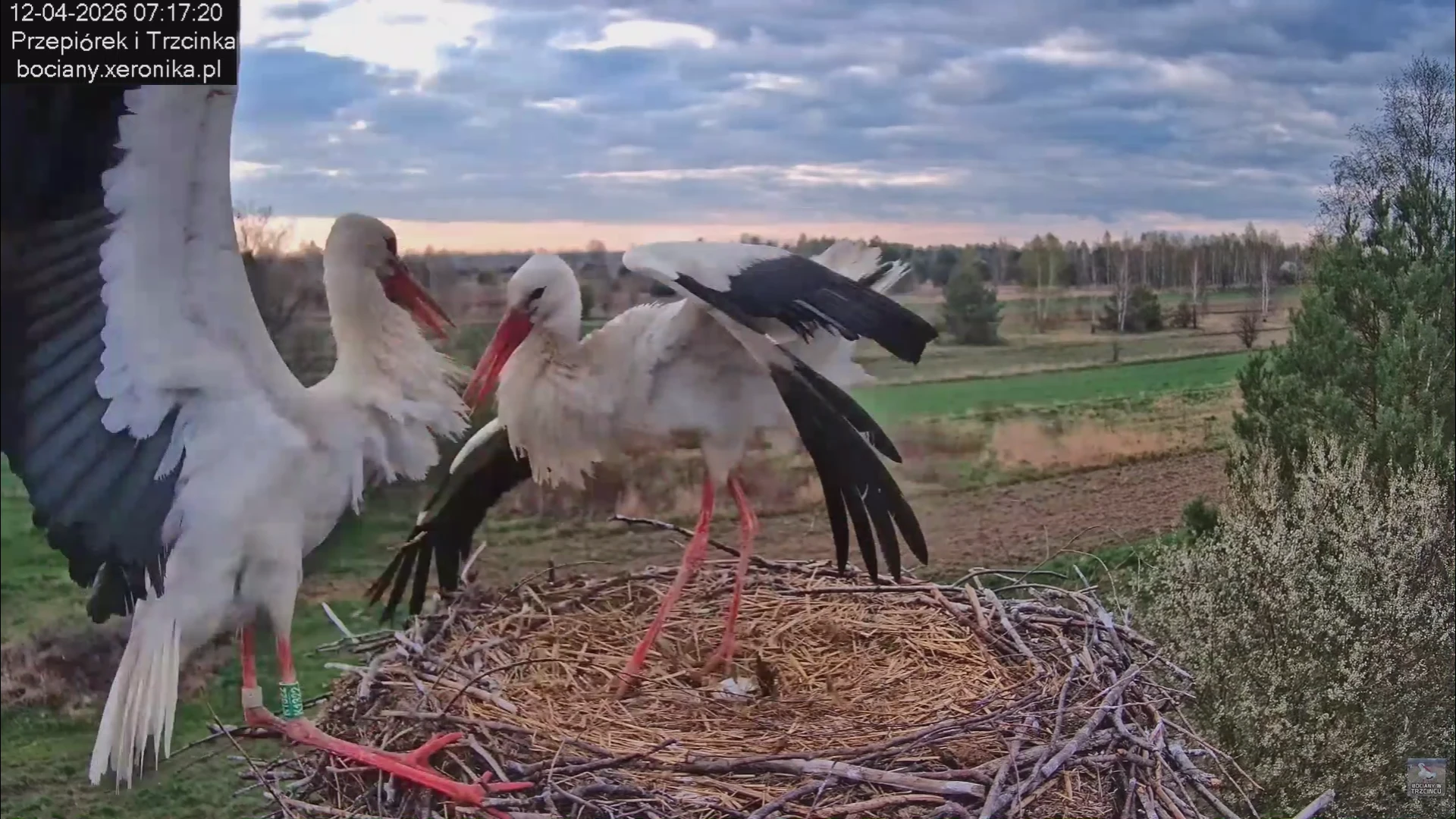
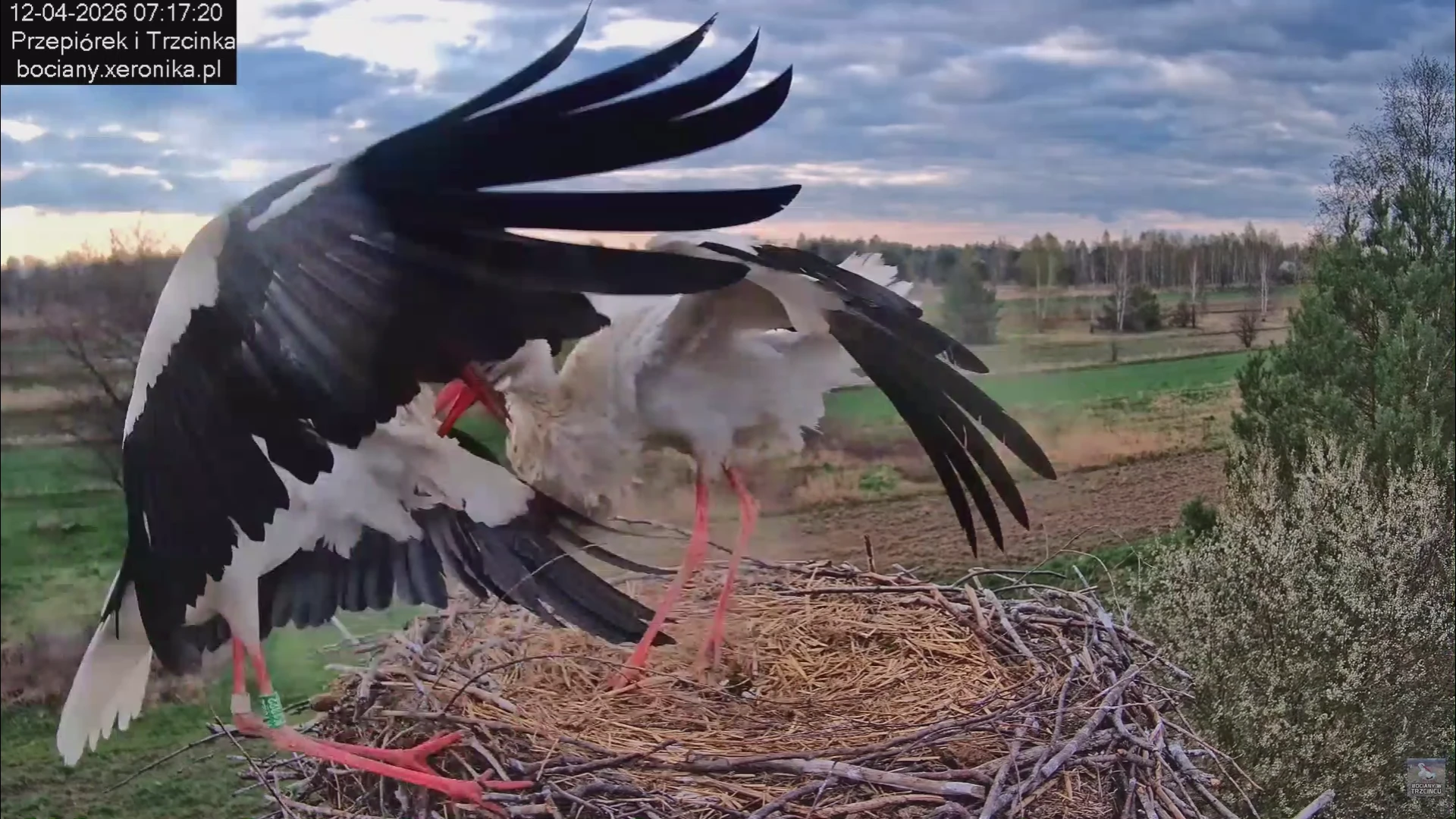
A stork fight over the nest was recorded—the intruder was repelled, and neither the eggs nor the birds were harmed. The footage quickly gained popularity.
A Difficult Breeding Season
This season was the first sad one since monitoring began—only one chick hatched, and it did not survive more than a few days.
Dramatic Rescue Operation
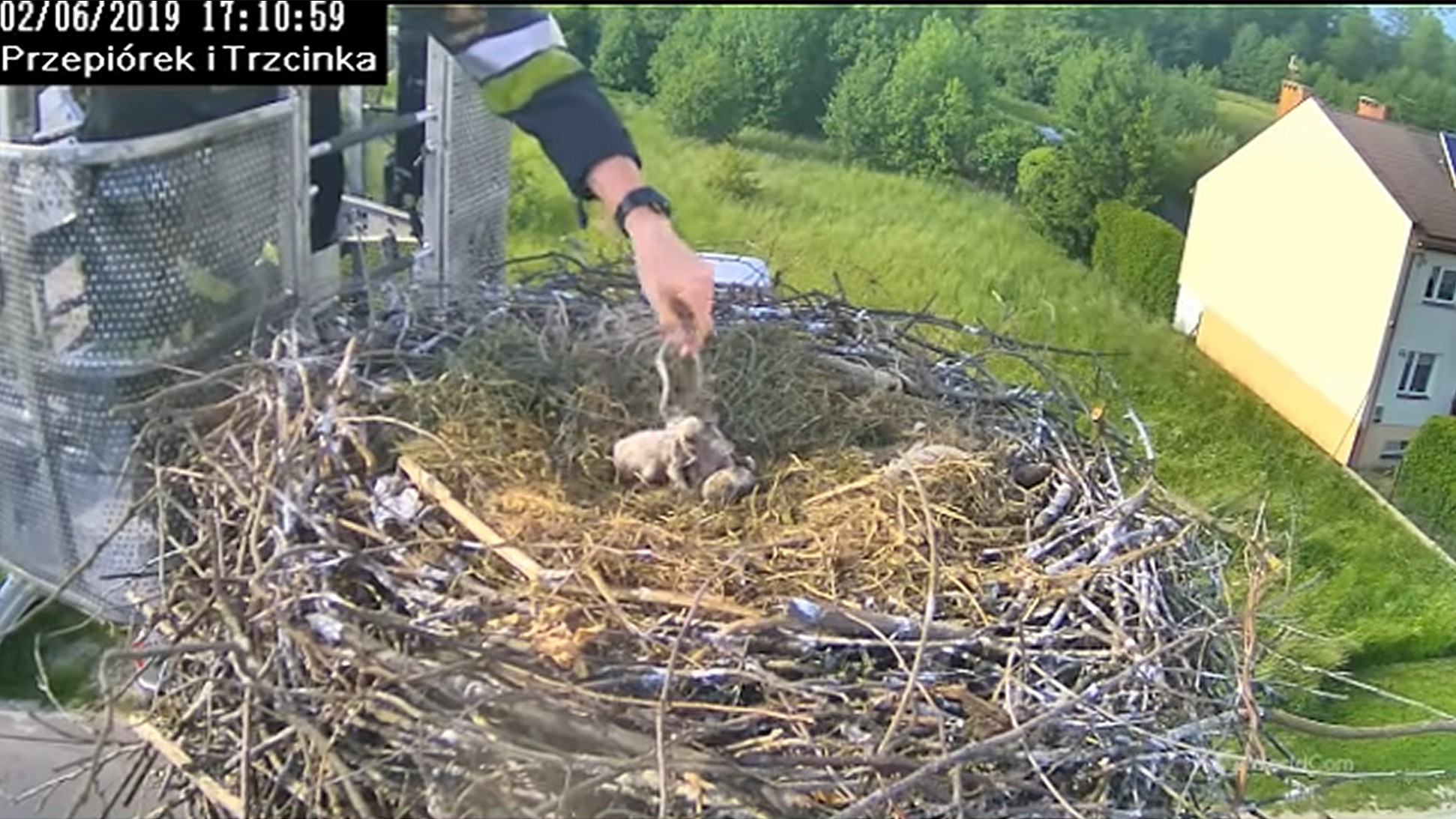
Of the two chicks that hatched, one became entangled in a piece of string. Thanks to vigilant viewers of the livestream, the State Fire Department in LubartĂłw carried out a successful rescue.
Removal of the Old Camera
After the season, at the request of the power company, the bracket with the old camera mounted on the pole was removed.
The nest’s modernization also presented an opportunity to implement an innovative solution—continuous online monitoring. I decided to install an internet camera, allowing anyone to observe the stork pair’s life in real time. Soon, on the specially created website “Bociany w Trzcińcu” (bociany.xeronika.pl), I launched the livestream and began posting updates and documenting events at the nest.
The first monitoring season became a chance for even greater community integration. Internet forums and residents of Trzciniec discussed names for the stork pair. Ultimately, in 2016, the storks were named “Przepiórek” (male) and “Trzcinka” (female), drawing inspiration from the village name.
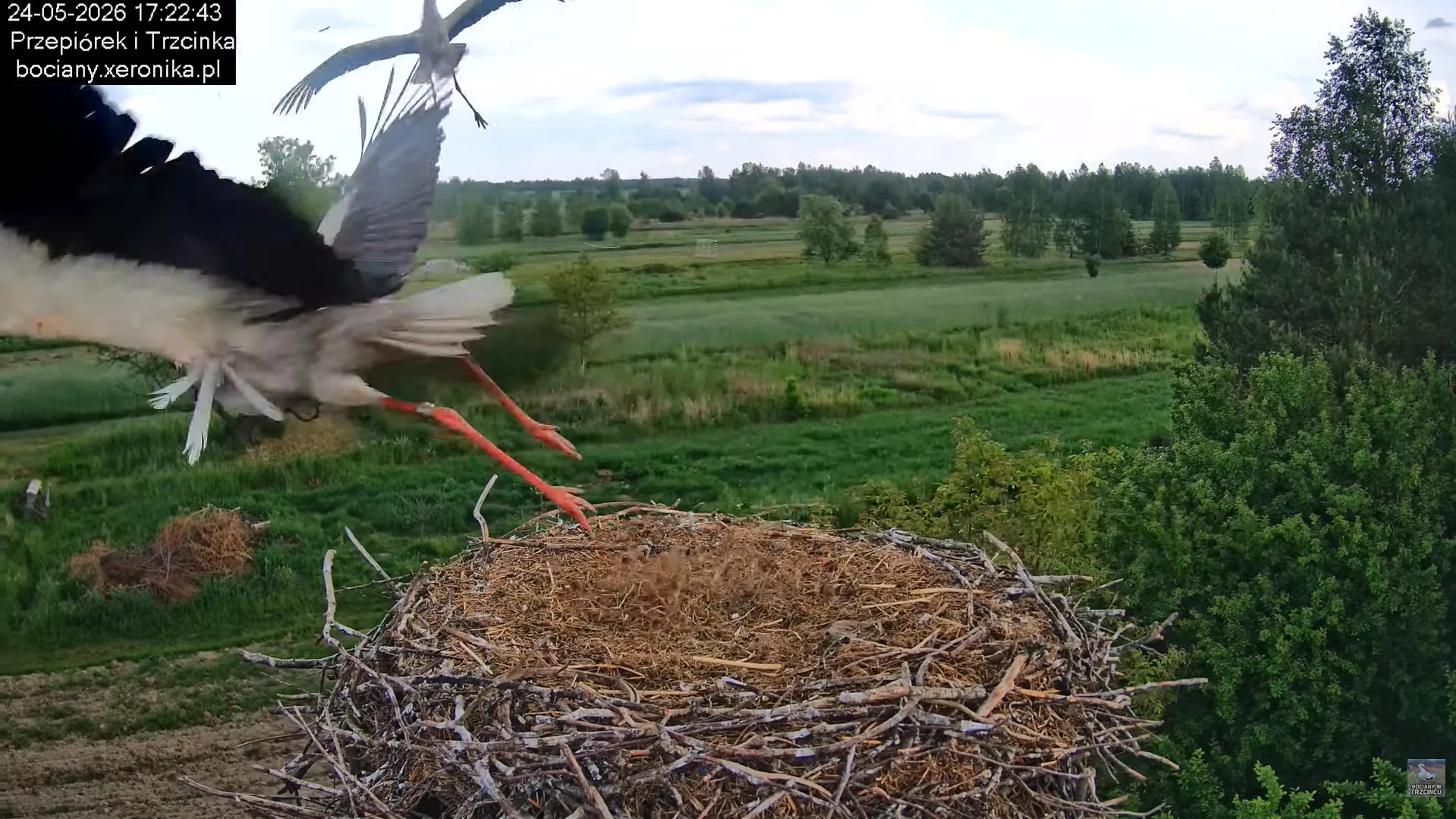
In one season, the stork pair had to fend off an intruder attempting to take over the nest. It was a fierce fight, but the attacking stork was effectively repelled, and neither eggs nor birds were harmed. Footage of the encounter quickly gained popularity among viewers.
Subsequent years brought more challenging moments. One season saw only a single chick hatch, which unfortunately did not survive beyond several days. Another year, two chicks were born, but one became tangled in string brought to the nest. Thanks to the quick reaction of viewers and the intervention of LubartĂłw firefighters, the chick was freed.
Following one of the seasons, at the power company’s request, the camera bracket mounted on the pole had to be removed. This decision ended one phase of monitoring, but we were not ready to give up on observing the storks.
Era of Remote Monitoring (2020–2024)
Fundraiser for a New Zoom Camera
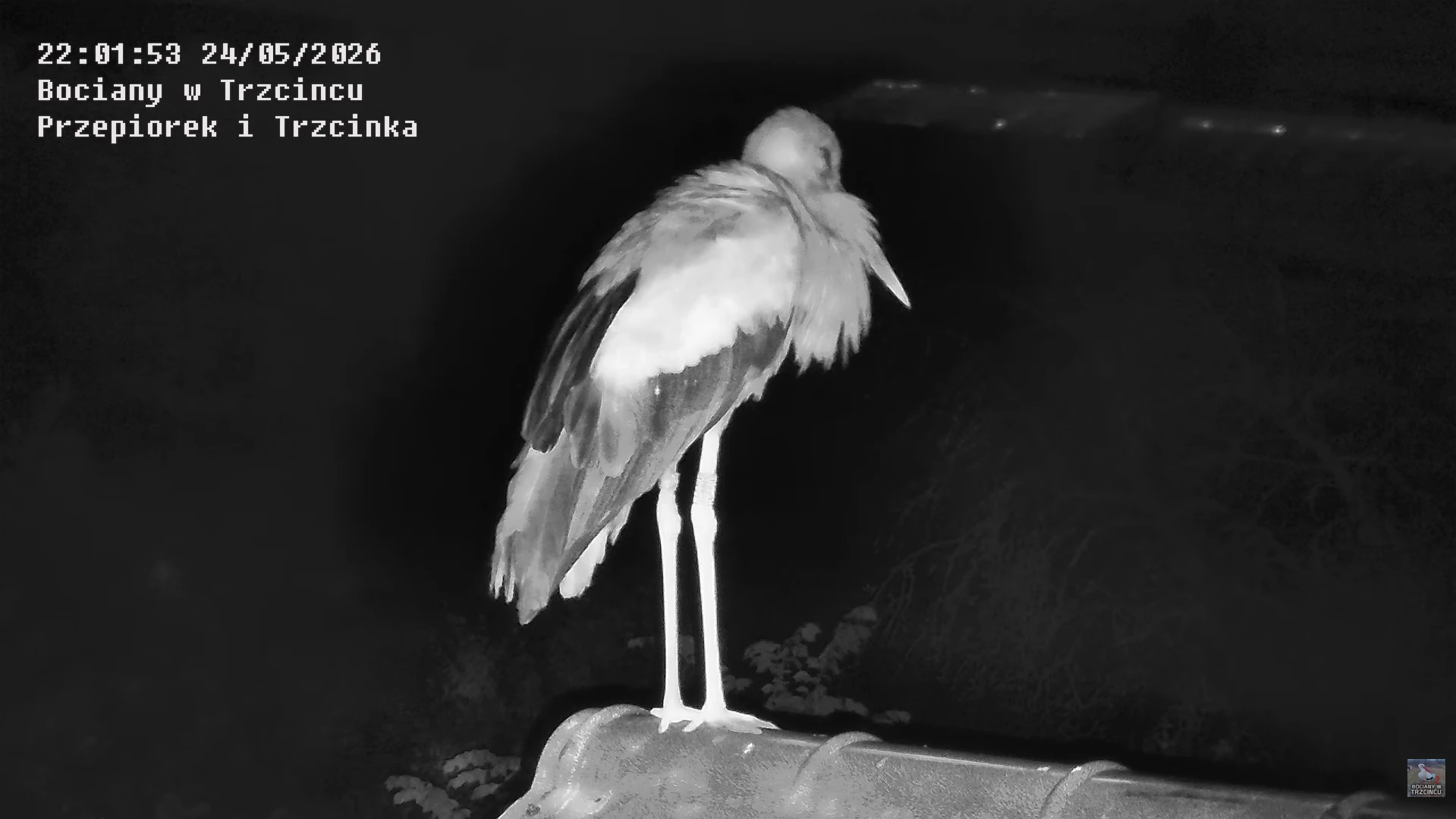
With the support of the community, funds were raised for a new zoom and night-vision camera, enabling continued observation of PrzepiĂłrek and Trzcinka.
New Observation Experiences
The first successful season in several years, and the first recorded with the new camera, brought the joy of fledglings’ first flights as well as sorrow following the loss of two chicks due to hypothermia.
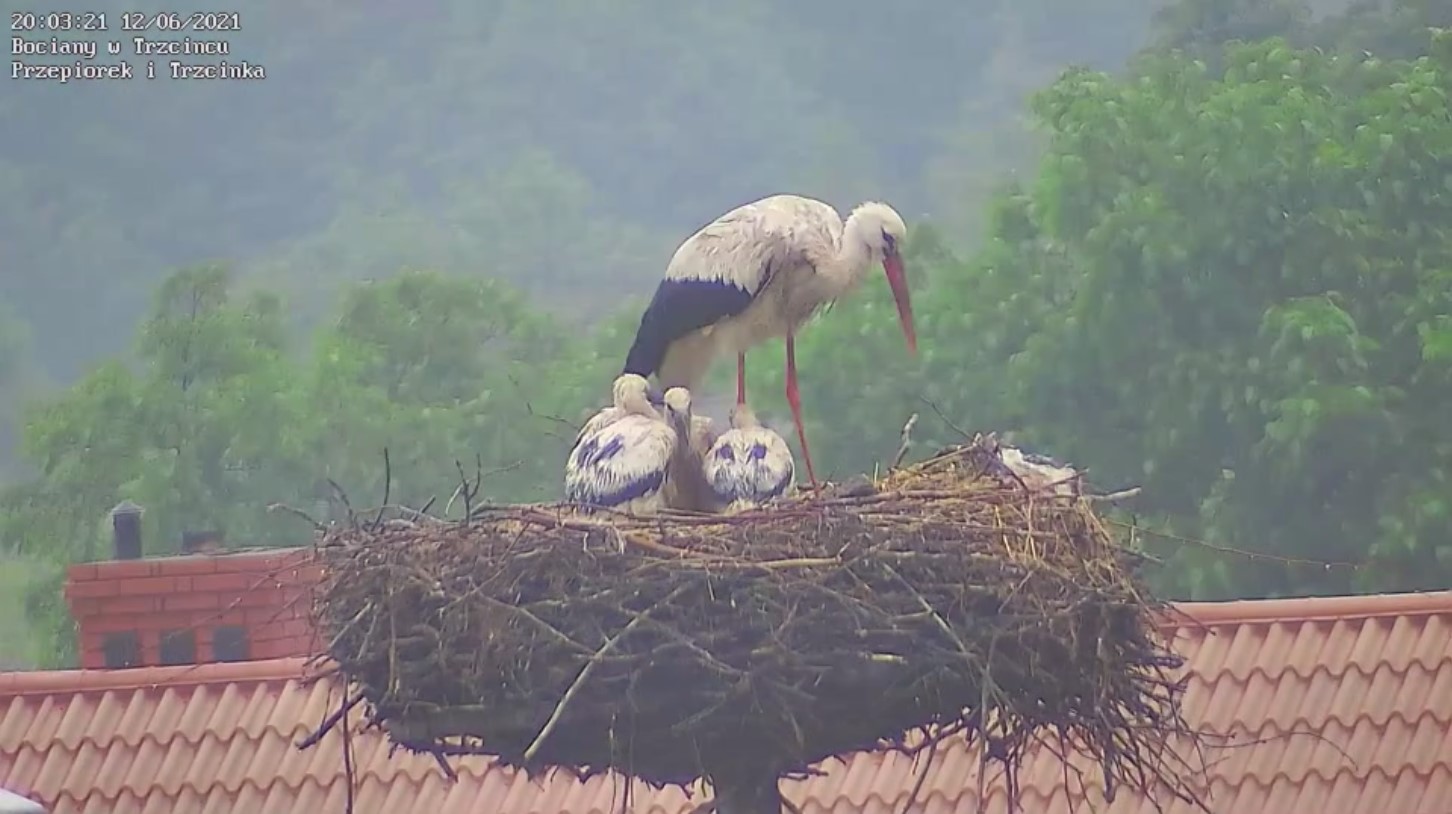
The first season captured by the new camera was full of twists and unexpected events. Initially, it seemed the storks would produce offspring, but problems in the pair, a change in the female partner, and unusual behavior led to a failed breeding season. Additionally, a foreign stork entered the nest and threw out the only egg, ending any chance of rearing young that year.
After several difficult seasons, a year finally arrived in which the storks successfully raised chicks, and the young birds reached the stage of their first flights. Sadly, not all the hatchlings survived, as harsh weather conditions caused some to freeze. Nevertheless, this season brought a long-awaited success and confirmed that it is worthwhile to continue observing the stork family, documenting both their daily life and the challenges they face.
A New Chapter of History (from 2025)
Relocating the Nest to a New Place
A decision was made to relocate the nest to a new spot in order to provide storks with better conditions and adapt the nest’s location to the residents’ needs.
Installation of the camera next to the nest
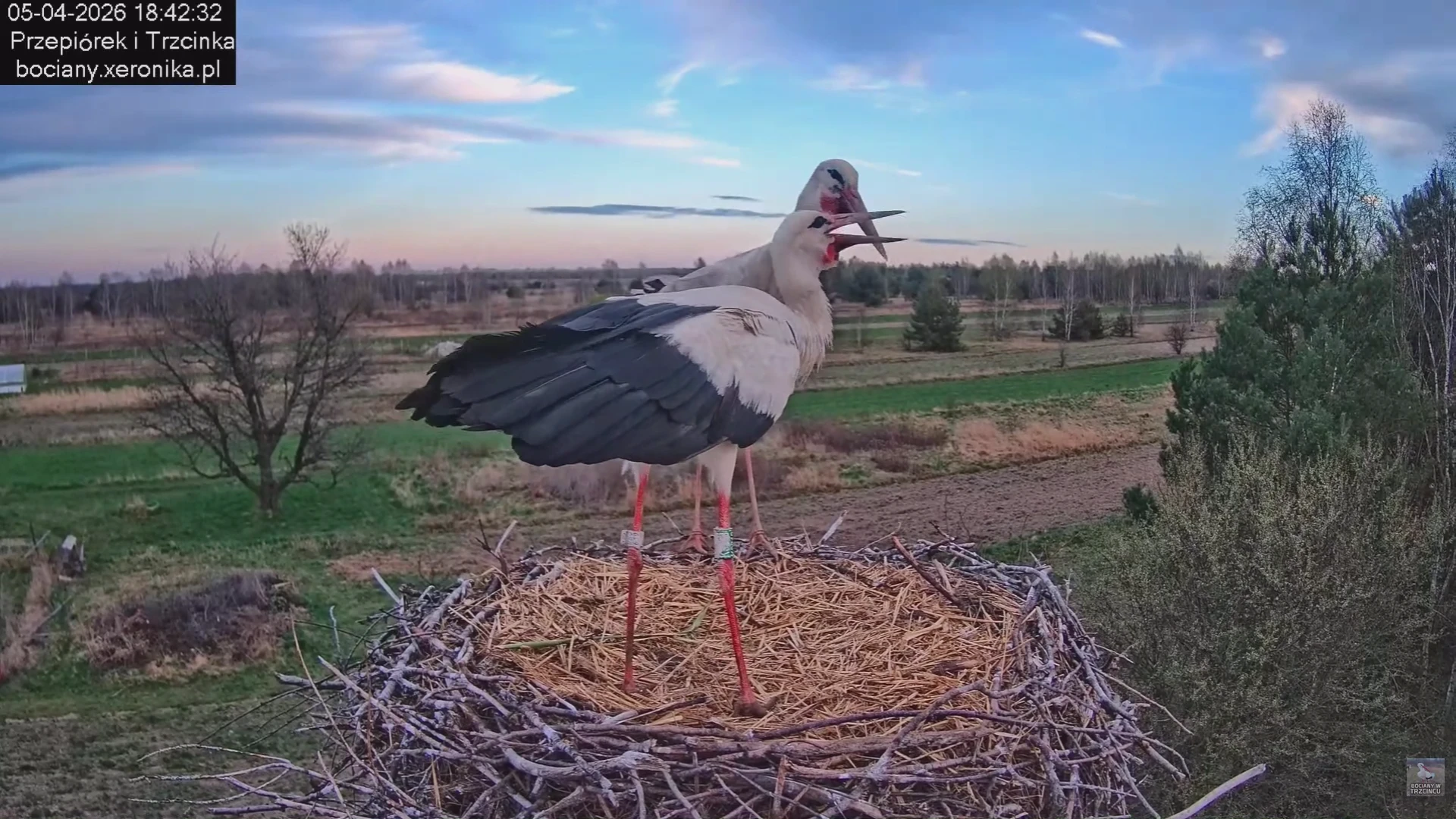
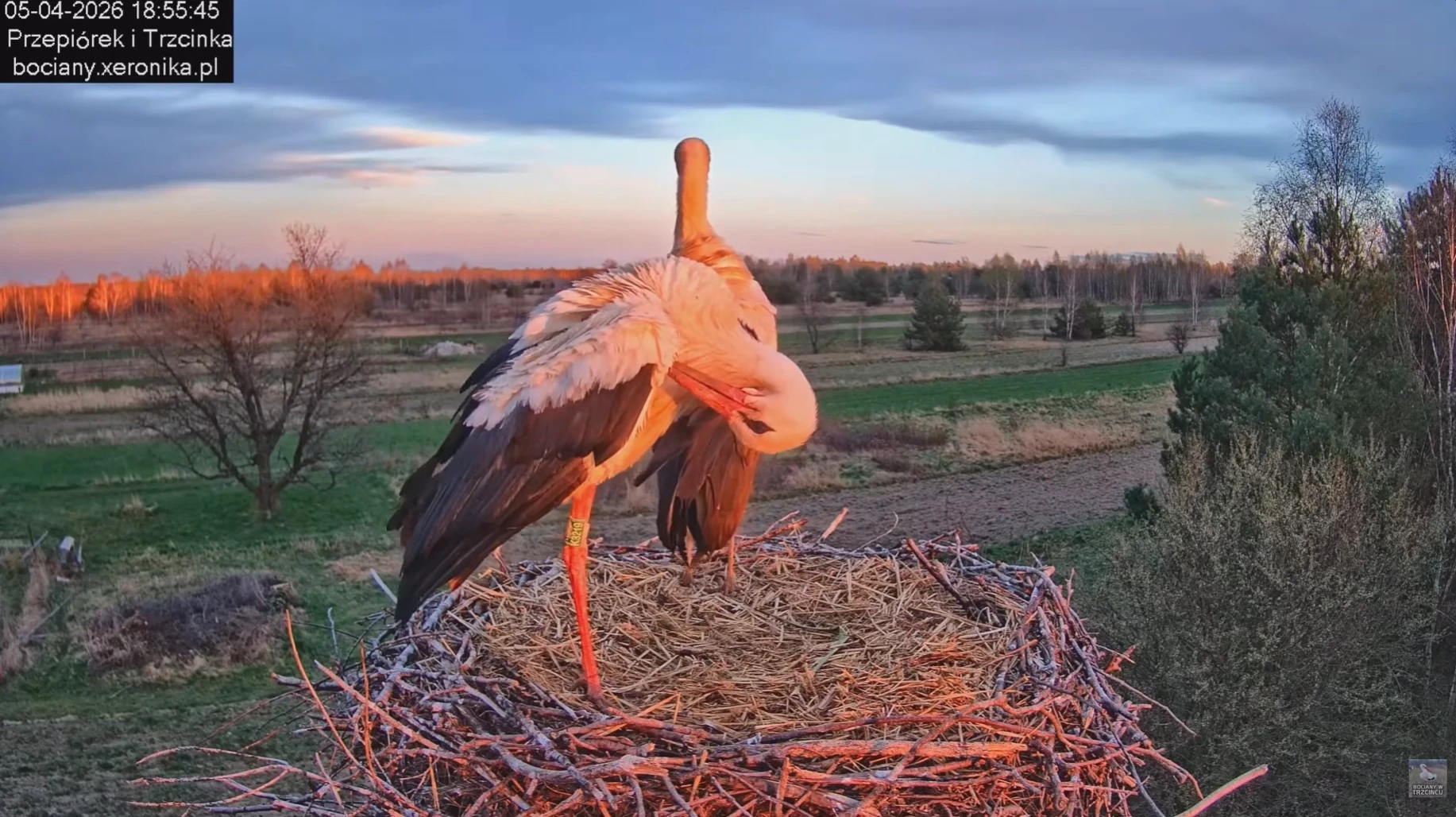
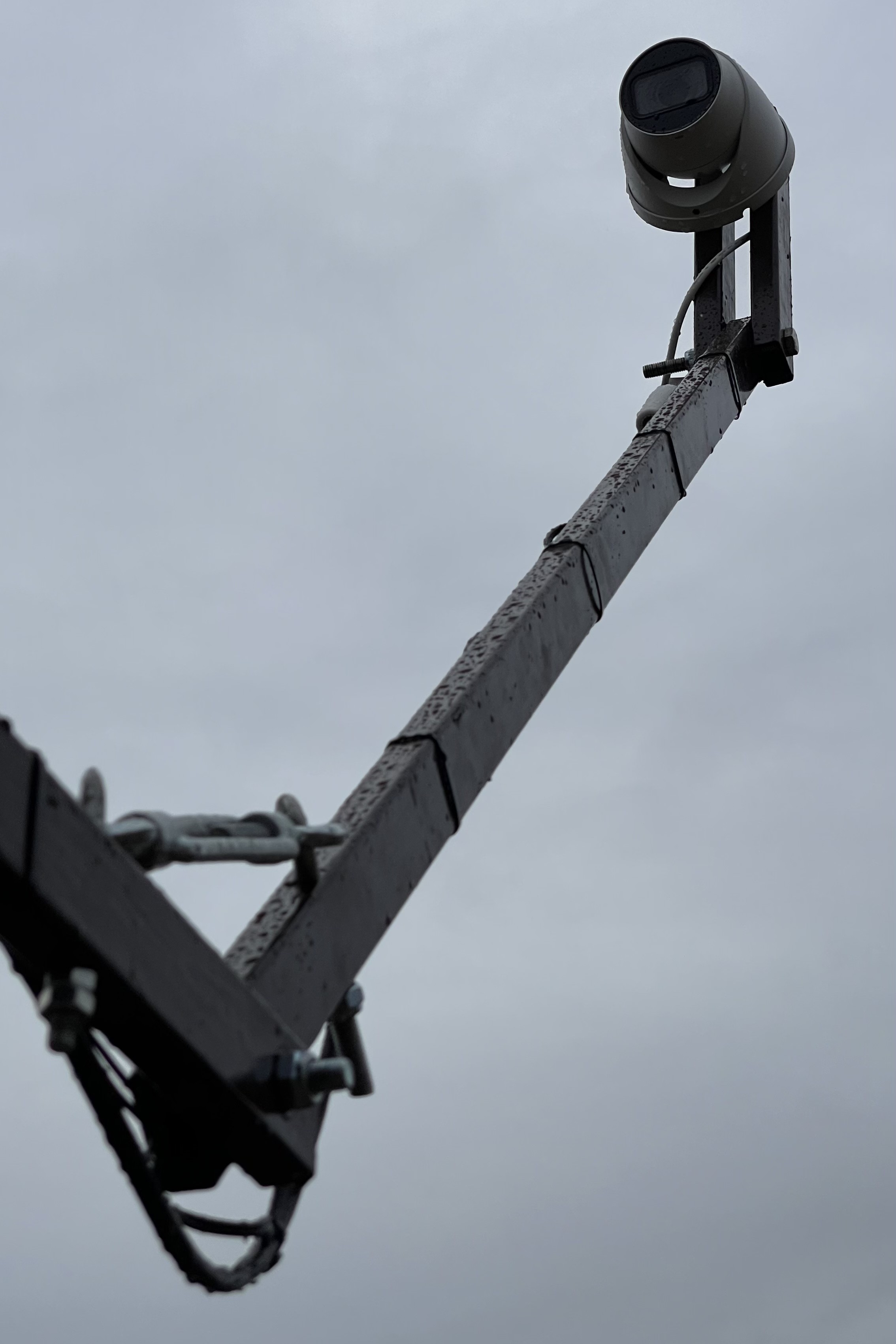
The nest has been relocated to a new pole, away from power lines, and a second camera has been successfully installed just one meter from the nest, funded by the company eMKi. This will allow even better documentation of the stork pair’s life. After five years of observing the storks from a distance, we will once again be able to see every detail of their life and nesting.
2026 Update
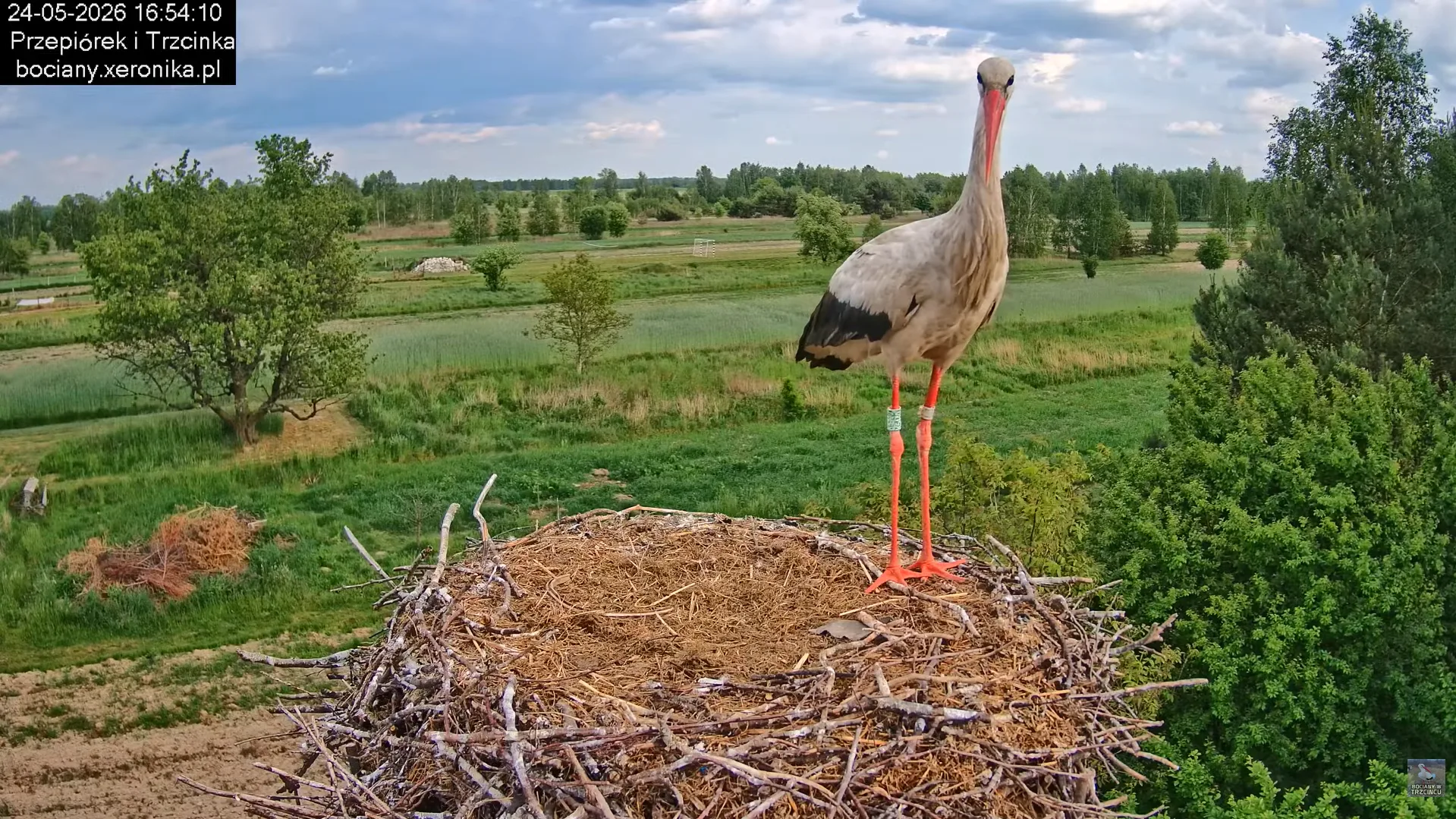
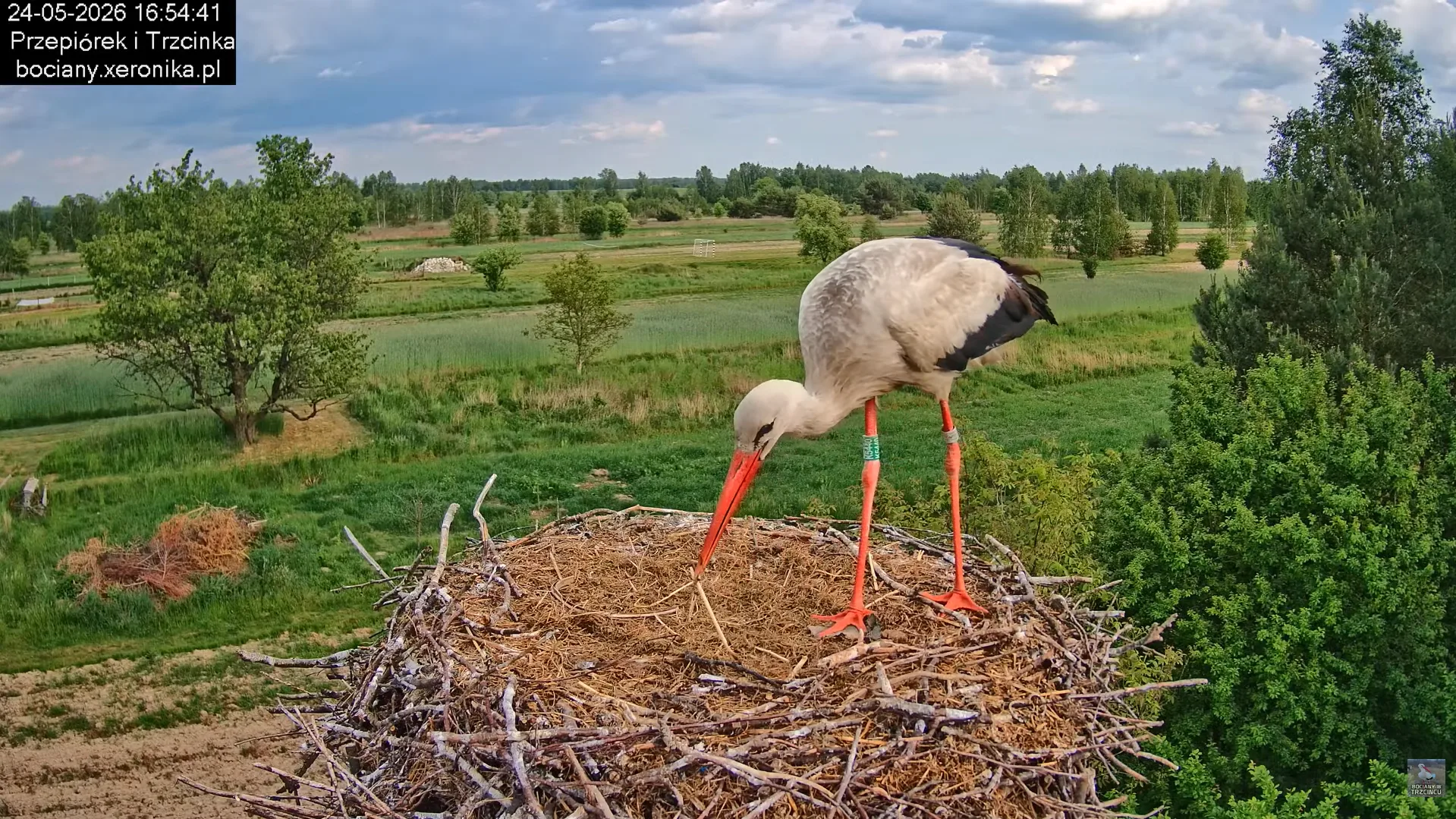
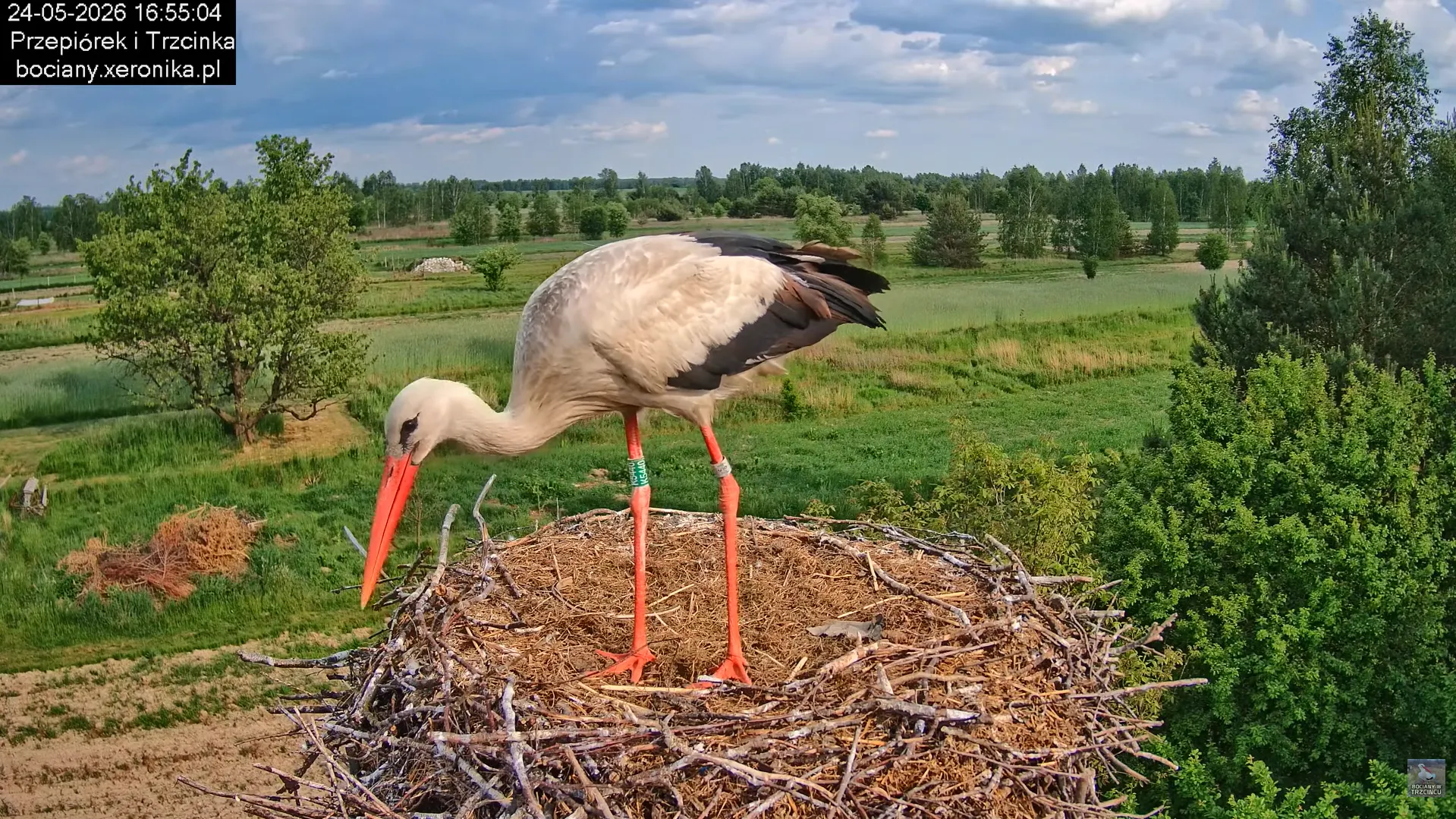
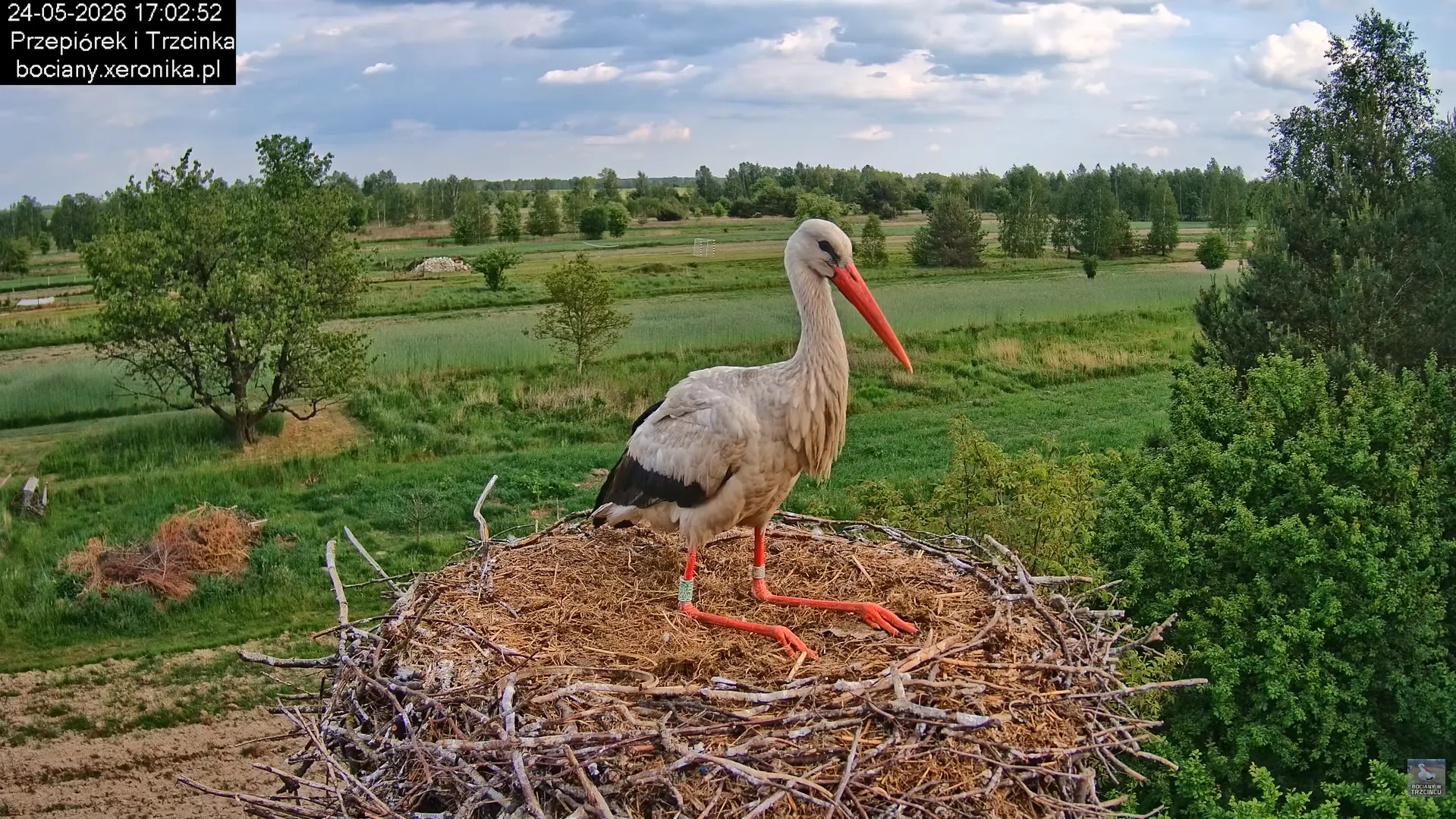
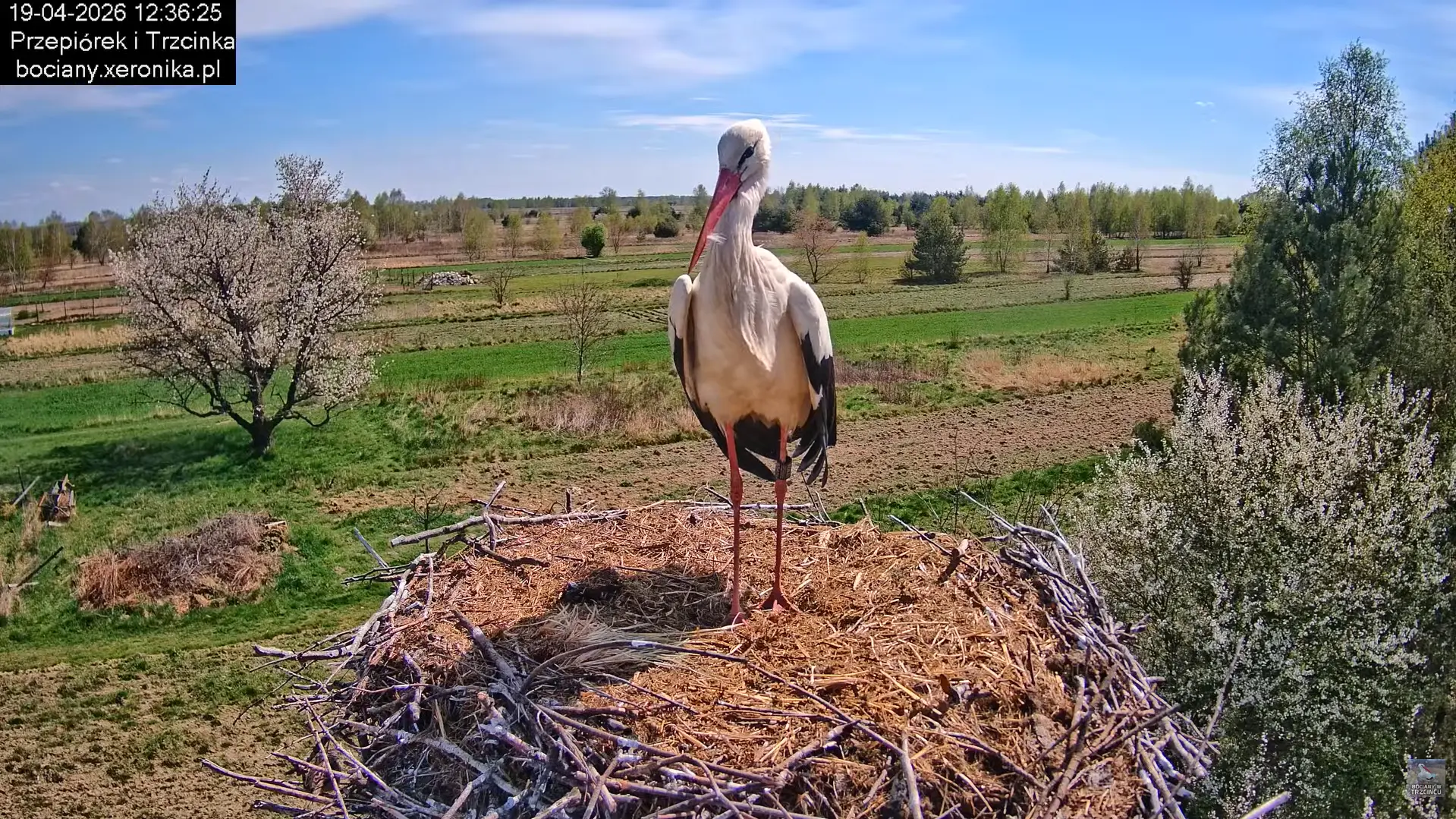
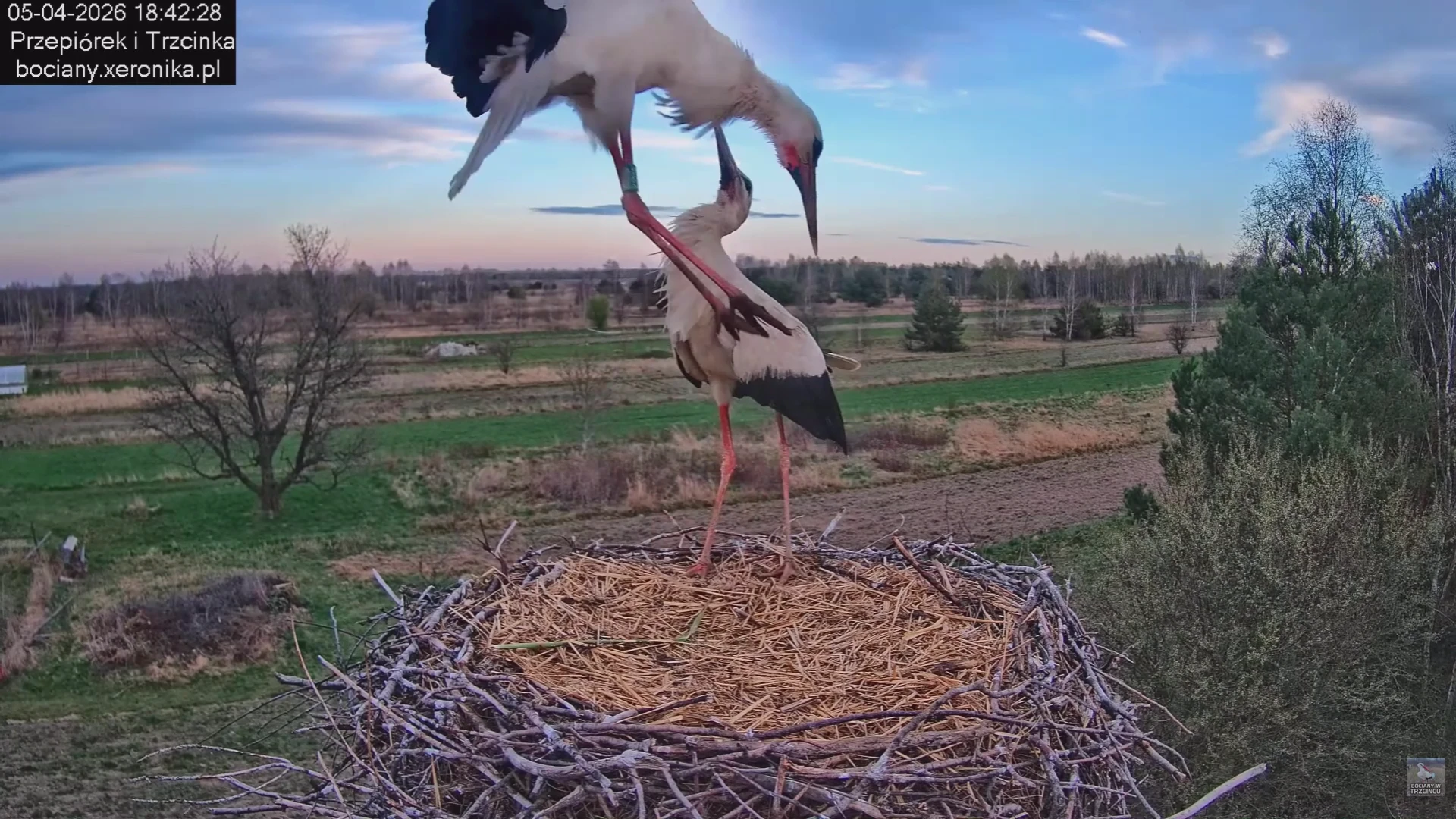
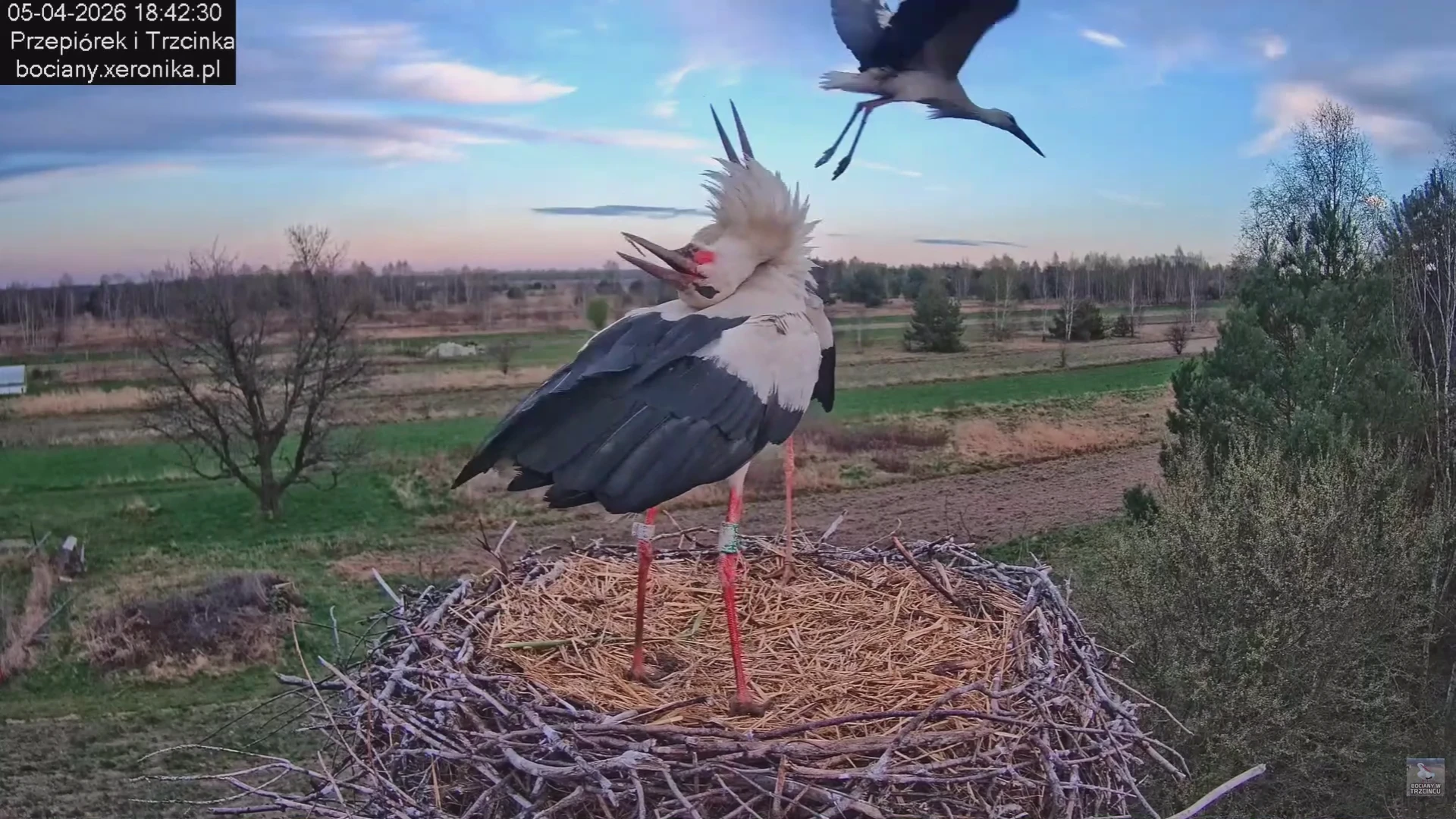
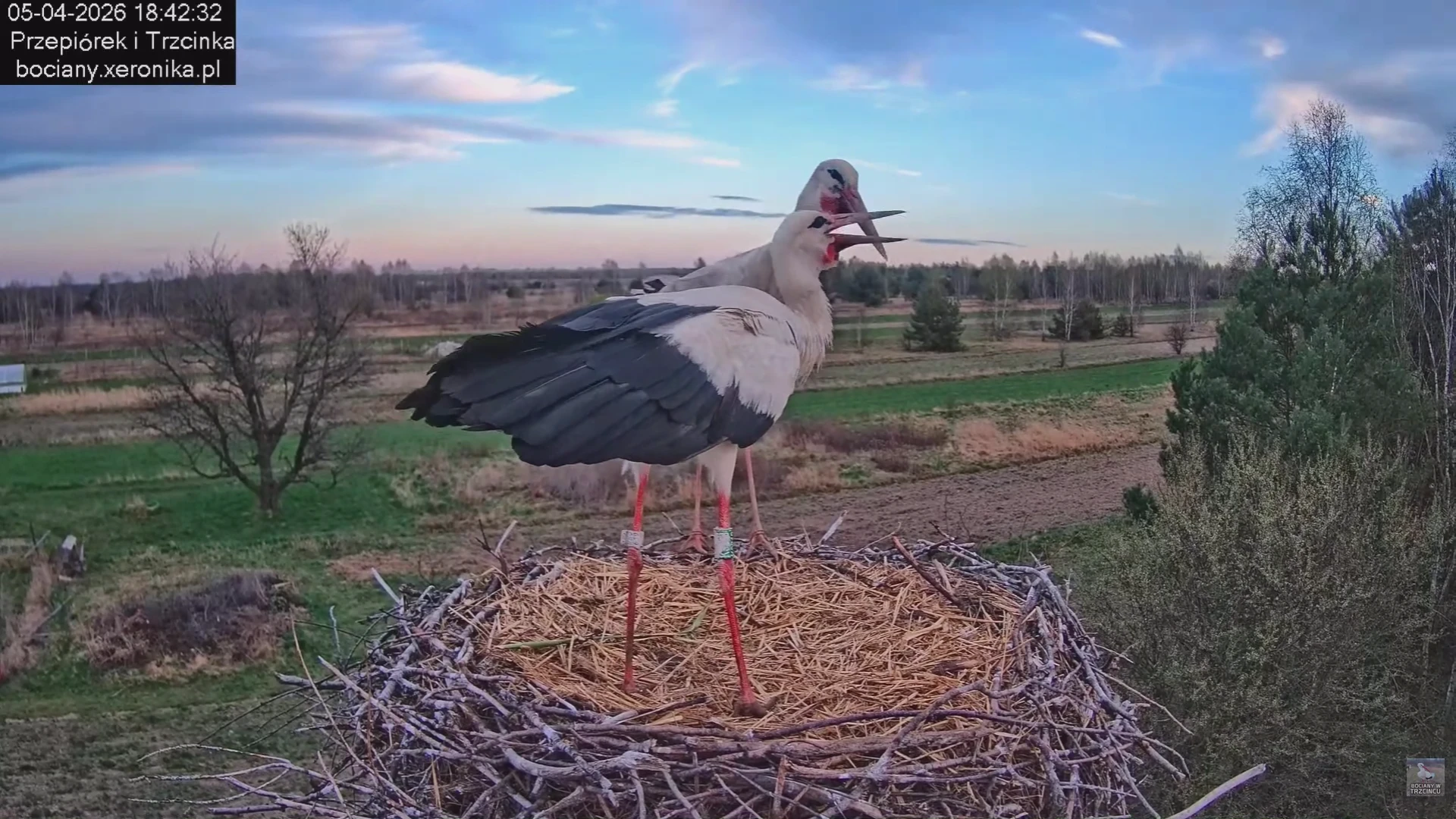
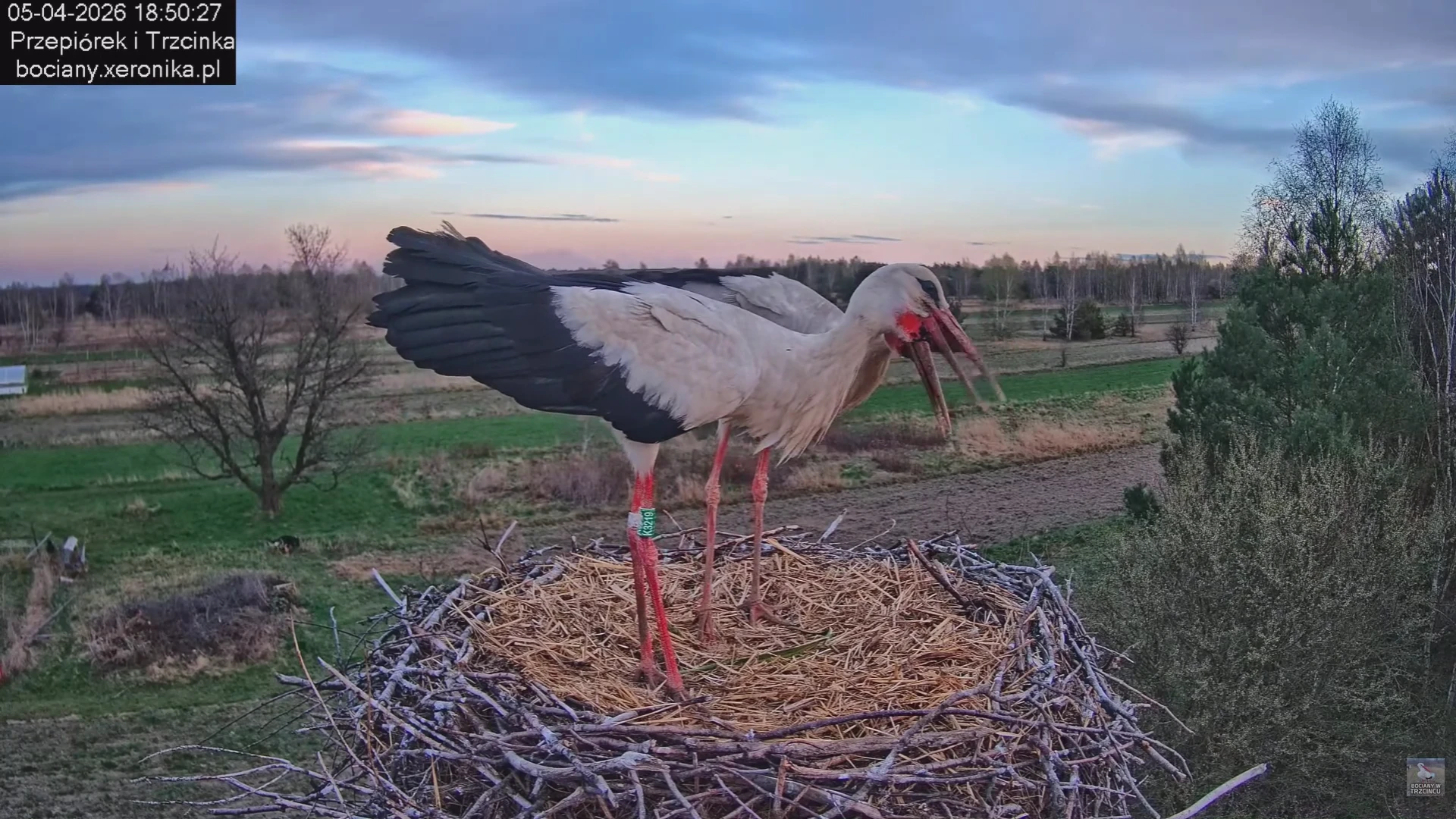
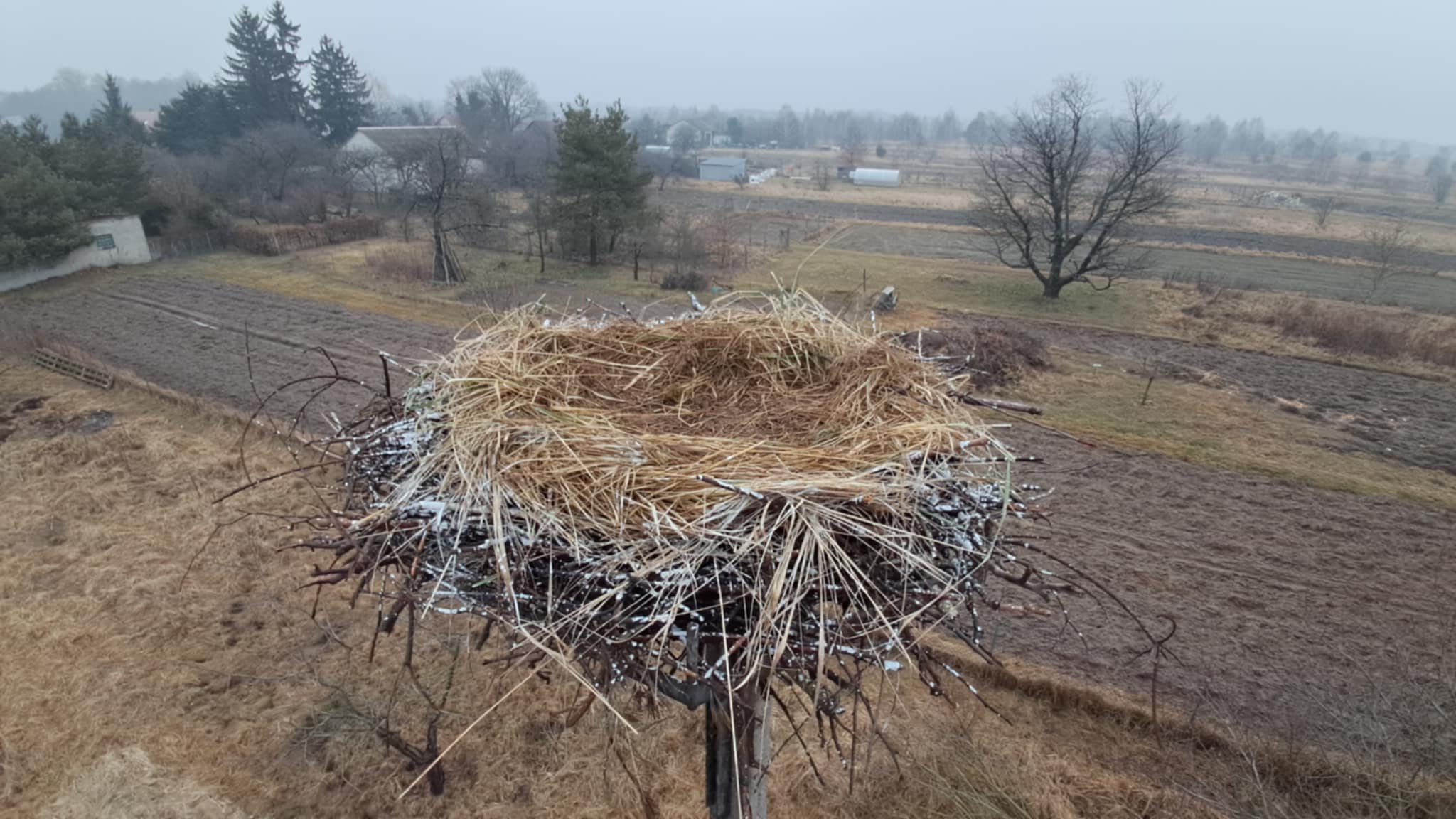
After a successful season, we decided to improve the existing mount and build a new controllable mount that will allow better observation of the storks. At the same time, the nest was cleaned of litter brought by the storks, cleared, and lined with straw.
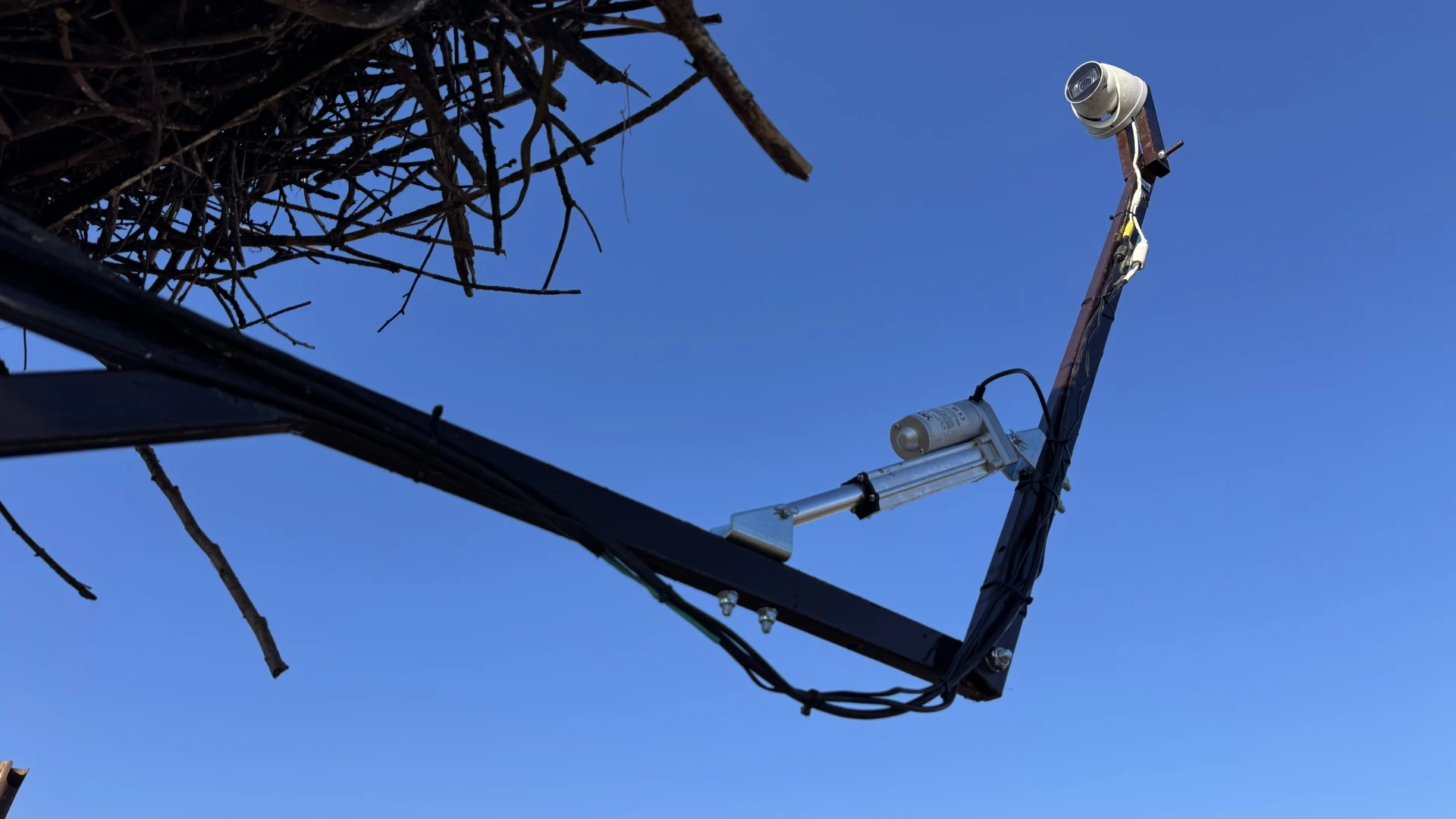
This change became another step in the development of the monitoring project, which continues to evolve. A second camera was installed by the nest, allowing us to observe the stork family with an unprecedented level of detail.
After a successful season, we decided to further modernize the equipment by creating a new controllable camera mount, which will enable even better observation of the storks. The mount can be controlled remotely by adjusting the arm angle. At the same time, we carried out a thorough cleanup of the nest, removing litter brought by the birds and lining it with fresh straw, which ensured more comfortable conditions for future broods. A fundraiser was also launched to replace the old server, which had handled the stream for years, with new, more efficient hardware that will provide better image quality and more stable streaming.